


Cuba Blackout Crisis Deepens Amid US Oil Blockade

Cuba Blackout Crisis Deepens Amid US Oil Blockade
By ClikcUSA News Latin America & National Security Desk March 28, 2026
For the third time this month, Cuba’s entire national electricity grid collapsed, leaving more than 10 million Cubans without power for hours or even days. The latest blackout struck on March 21, just days after a previous island-wide failure, exposing the Caribbean nation’s deepening energy emergency. Cuban officials blame a combination of decaying infrastructure and the ongoing U.S. oil blockade that has choked off fuel supplies from Venezuela since early 2026.
For Americans, this is more than a distant humanitarian story. The crisis highlights the effectiveness — and the human costs — of U.S. pressure on adversarial regimes. At the same time, it raises concerns about potential migration surges toward U.S. borders, increased influence from Russia and China in America’s backyard, and how skyrocketing global oil prices from the U.S.-Israel campaign against Iran could make energy even more expensive for American families.
As President Trump’s administration manages military operations in the Middle East (now in week four), the Cuba blackout serves as a stark reminder of the interconnected nature of U.S. foreign policy decisions and their ripple effects across the Western Hemisphere.
The Latest Blackout: What Happened
On Saturday evening, March 21, Cuba’s Electric Union (UNE) reported a massive power deficit exceeding 1,700 megawatts during peak demand hours. The national grid failed completely, plunging the island into darkness. This marked the third nationwide collapse in March alone, following similar failures earlier in the month.
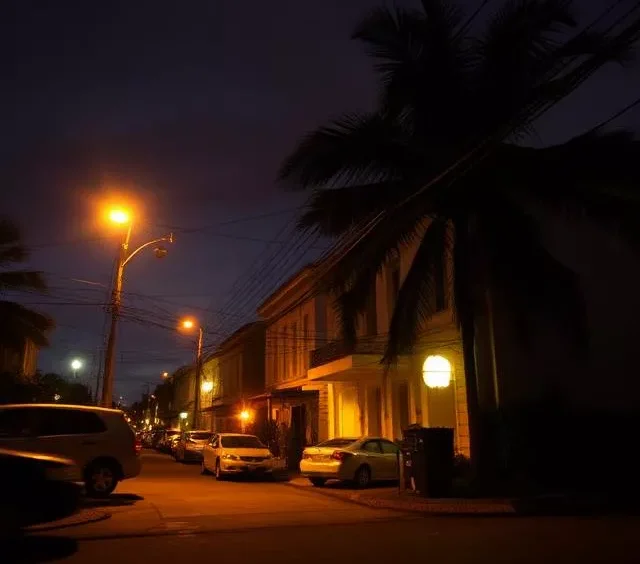
Restoration efforts prioritized hospitals, food distribution centers, and other essential services, but many areas remained without electricity for extended periods. Residents in Havana and other cities relied on candles, flashlights, and generators (where fuel was available). Social media posts showed families gathering on streets, spoiled food in refrigerators, and non-functional water pumps in apartment buildings.
Cuban President Miguel Díaz-Canel and energy officials pointed directly to the U.S.-imposed oil blockade as a primary cause. Since January 2026, the United States has intensified measures that effectively blocked Venezuelan oil shipments to Cuba, a longtime lifeline under bilateral agreements. Aging thermoelectric plants, frequent mechanical breakdowns, and shortages of spare parts (complicated by long-standing U.S. sanctions) have compounded the problem.
This is not a new issue — Cuba has faced rolling blackouts and grid failures in recent years — but the frequency and severity in March 2026 signal a critical escalation. Russian shadow fleet tankers are reportedly en route with limited oil and diesel supplies, enough for perhaps a couple of weeks, but experts say this provides only temporary relief.
U.S. Policy: The Oil Blockade and Its Strategic Goals
The Trump administration has defended the oil blockade as a targeted tool to pressure the Cuban regime over human rights, support for adversarial groups, and regional destabilization. By cutting off Venezuelan fuel — itself under U.S. sanctions pressure — Washington aims to limit Cuba’s ability to sustain its socialist system and reduce its influence in Latin America.
Critics, including some humanitarian organizations and foreign policy analysts, argue that the policy disproportionately harms ordinary Cubans rather than regime leaders. Hospitals operating on backup generators face fuel rationing risks, while daily life disruptions fuel frustration and, potentially, migration pressures.
From an American national security viewpoint, the blockade fits into a broader strategy of economic leverage against regimes aligned with Russia, China, and Iran. However, the timing coincides with the U.S.-led military campaign in the Middle East, where disruptions in the Strait of Hormuz have already driven Brent crude prices above $110 per barrel in recent sessions. Higher global energy costs make alternative fuel imports even more expensive for Cuba, creating a compounding effect.
Links to the Iran War and Global Energy Markets
The Cuba crisis cannot be viewed in isolation. The ongoing U.S.-Israel strikes on Iranian nuclear sites, missile bases, and infrastructure have triggered Iranian retaliation, including attempts to disrupt shipping in the Strait of Hormuz — a critical chokepoint for roughly 20% of global oil shipments.
As oil prices surge, nations like Cuba, already cash-strapped and isolated, face steeper challenges sourcing fuel. American consumers are also feeling the impact: higher gas prices at the pump, increased costs for airlines and trucking, and potential inflationary pressures that could affect household budgets ahead of summer travel season.
The Trump administration has issued ultimatums to Iran regarding the Strait while claiming diplomatic progress through intermediaries. Secretary of State Marco Rubio has stated the Iran operation could conclude “in weeks, not months” without large-scale ground troops. Yet the parallel energy strains — in the Middle East and the Caribbean — illustrate how U.S. actions in one theater can influence outcomes elsewhere.
For U.S. policymakers, this raises questions about bandwidth: managing a hot war in the Middle East while maintaining pressure on Cuba and supporting Ukraine against Russia’s massive drone barrages (nearly 1,000 drones in 24 hours this week).
Potential Impacts on American Interests
- Migration and Border Security: Prolonged blackouts and economic hardship in Cuba have historically driven migration waves toward the United States. With the DHS facing its own partial shutdown and staffing strains at borders and airports, any uptick in Cuban migrants could add pressure to already stretched resources. The partial government shutdown has already caused longer TSA lines and operational challenges — compounding factors at a sensitive time.
- Regional Influence: Russia has stepped in with limited fuel deliveries, while China maintains economic ties with Cuba. A deeper crisis could expand adversarial footholds in the Western Hemisphere, something U.S. strategists have long sought to prevent under the Monroe Doctrine’s modern interpretations.
- Humanitarian Concerns and U.S. Image: Images of Cubans in darkness circulate globally, potentially fueling anti-U.S. narratives. While the administration emphasizes the regime’s mismanagement, humanitarian calls for targeted aid or exceptions could grow, creating domestic political debates.
- Economic Ripple Effects: American businesses with interests in the Caribbean, tourism operators, and agricultural exporters monitor stability closely. Higher global oil prices from the Iran conflict indirectly raise costs for U.S. industries, while instability in Cuba could disrupt regional trade patterns.
Broader Geopolitical Context This Week
The Cuba blackouts occur against a backdrop of intense global activity:
- In the Middle East, Iranian strikes injured U.S. service members at a Saudi air base, while Israel continues operations in Lebanon and against Iranian targets. Trump has spoken of creating a “new Middle East” free from Iranian nuclear blackmail.
- Russia launched one of its largest aerial assaults on Ukraine, with nearly 1,000 drones in under 24 hours, damaging civilian sites including a UNESCO heritage location.
- Nepal swore in 35-year-old rapper-turned-politician Balendra Shah as its youngest prime minister following a Gen Z-led political shift — a rare democratic youth revolution.
These events compete for U.S. attention and resources. The partial DHS shutdown, stemming from congressional disputes over immigration and border funding, adds domestic friction at a moment when homeland security vigilance is heightened by the State Department’s “Worldwide Caution” alert for Americans abroad due to Iranian-linked threats.
Outlook: Fragile Grid, Uncertain Diplomacy
Cuban authorities report gradual restoration after the latest collapse, but warnings of future outages persist without major fuel inflows or infrastructure upgrades. Long-term plans for renewables exist but face funding and technical hurdles.
For the Trump administration, the Cuba situation offers a test of sustained economic pressure versus unintended consequences. Will the blockade accelerate regime change or reform, or will it drive Cuba closer to Russia and China while generating migration challenges for the U.S. southern border?
Analysts suggest short-term Russian assistance may stabilize the grid temporarily, but structural problems remain. Diplomatic shifts — such as eased sanctions or new trade arrangements — appear unlikely in the current climate.
As Americans watch gas prices fluctuate amid the Iran conflict and hear reports of blackouts just 90 miles from Florida, the Cuba crisis underscores a key truth: U.S. foreign policy decisions have direct and indirect consequences at home and across the region.
ClikcUSA News will continue tracking developments in Havana, energy markets, and their implications for American security and economy. The coming weeks may reveal whether this is a temporary spike in Cuba’s chronic energy struggle or a sign of deeper systemic failure with wider regional fallout.
For more USA news check:
https://clickusanews.com/news/
Latest USA breaking news, national headlines, global affairs, and trending stories.
https://clickusanews.com/sports/
USA sports news, live scores, match highlights, athlete updates, and major sporting events.
https://clickusanews.com/technology/
Technology news covering AI, gadgets, innovation, cybersecurity, and digital trends in the USA.
https://clickusanews.com/entertainment-movies-ott/
Entertainment updates including movies, OTT releases, celebrity news, and pop culture stories.
https://clickusanews.com/business/
Business and finance news with USA market updates, corporate stories, crypto, and economic insights