


Iran War 2026: Why US Gas Prices Still Rising

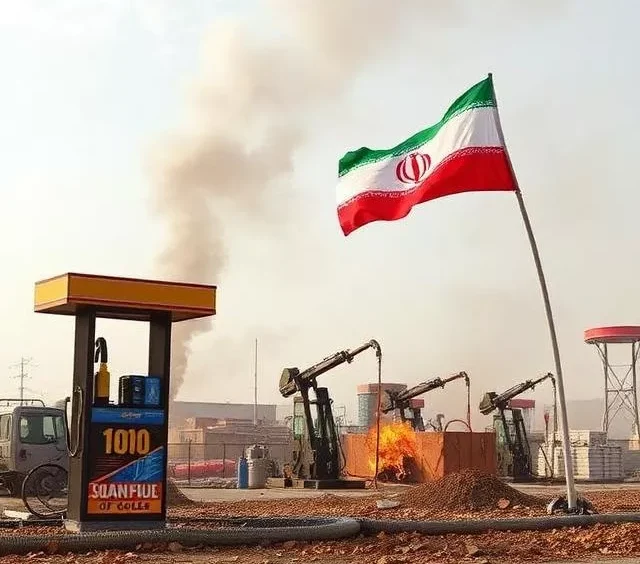
Hyderabad, IN / Washington D.C. – President Donald Trump stood before the cameras and declared “total and complete victory” in the Iran war just hours after agreeing to a fragile two-week ceasefire. Yet here we are, days later, and American families are still getting hammered at the pump. National average gas prices sit at $4.16 per gallon — more than a dollar higher than before the conflict erupted on February 28. Diesel has climbed even steeper, pushing costs for truckers, farmers, and everyday goods through the roof.
Click USA News dug deep into the fine print of this so-called victory. What we found should alarm every American taxpayer, driver, and parent watching grocery bills climb: the Strait of Hormuz — the narrow chokepoint carrying roughly 20% of the world’s oil — remains a tinderbox, and the ceasefire’s promises are already cracking under pressure.
The Ceasefire That Wasn’t Quite a Ceasefire
On April 8, 2026, the United States and Iran announced a two-week pause in direct hostilities, brokered at the last minute by Pakistan. Trump hailed it as a triumph, claiming all U.S. military objectives had been met. Iran’s leadership called it a historic stand against aggression. Both sides spun victory.
The core public term? Iran agreed to allow the “complete, immediate and safe opening” of the Strait of Hormuz. In return, the U.S. and Israel would halt strikes on Iranian territory for two weeks.
Reality on the water tells a different story.
Shipping data and energy analysts confirm that full restoration of normal tanker traffic through Hormuz is still weeks away — if it happens at all during this temporary truce. Iranian officials have repeatedly signaled they retain leverage: some reports mention demands for tolls on passing vessels, recognition of Iranian sovereignty over the waterway, and linkage to a broader regional ceasefire that includes Israel’s ongoing operations against Hezbollah in Lebanon.
As of April 9-10, shipping companies report cautious optimism mixed with deep uncertainty. Few major oil tankers have resumed full transits. Insurance rates for vessels in the Persian Gulf remain sky-high. One energy analyst told Click USA News bluntly: “We’re weeks away from restoring even 50-70% of pre-war traffic levels.”
How This Hits Your Wallet — And Why Relief Isn’t Coming Fast
The math is simple and brutal for American consumers:
- Before the war: National gas average hovered near $3.00–$3.12.
- Peak during conflict: Surged past $4.14–$4.16, with some states and regions exceeding $5.00.
- Diesel impact: Even worse, averaging over $5.60 at points, hammering logistics, farming, and food transport.
This isn’t just “global oil volatility.” The near-shutdown of Hormuz created a genuine supply shock. U.S. domestic production helped buffer the blow compared to Europe or Asia, but Americans still felt it immediately in higher pump prices, airline surcharges, and rising costs for goods moved by truck.
Experts like Patrick De Haan of GasBuddy noted that even if the ceasefire holds perfectly, meaningful drops at the pump might start with just a few cents in the coming days — not enough to erase the war premium quickly. Diesel relief could lag even longer.
Farmers in the Midwest and truckers on I-80 are already feeling the squeeze on fertilizer, diesel, and transport margins. Small businesses report fuel costs doubling as a percentage of revenue, forcing tough choices: absorb the hit or pass it on to customers already stretched thin.
The Hidden 10-Point Demands and What’s Really at Stake
Iran reportedly floated a 10-point plan that included reopening the strait under certain conditions, reconstruction support, sanctions relief elements, and a “protocol for safe passage.” Trump initially called parts of it “workable” before the final ceasefire language emerged.
Critics and analysts point out the gaps: the two-week truce does not automatically cover Israeli actions in Lebanon. Reports of continued strikes near Beirut have already prompted Iranian accusations of ceasefire violations. Tehran has used this as justification to slow full Hormuz reopening in some statements.
Meanwhile, Vice President JD Vance is scheduled to lead U.S. talks in Islamabad starting this weekend, joined by envoys including Jared Kushner. The goal: turn this temporary pause into a lasting deal. But with both sides claiming victory and deep distrust remaining, the clock is ticking on the two-week window.
The Investigative Bottom Line for Americans
Click USA News spoke with energy watchers, former military analysts, and logistics insiders who paint a consistent picture: This ceasefire bought breathing room, not resolution.
- Iran retains significant ballistic missile capability and near-weapons-grade uranium stockpiles (per multiple intelligence assessments leaked or referenced in recent reporting).
- The U.S. military achieved tactical strikes that degraded Iranian assets, but the regime survived and is now negotiating from a position of leverage over global energy flows.
- American taxpayers funded a high-intensity air campaign. Now they’re paying again at the gas station while waiting to see if diplomacy delivers.
The hidden Hormuz truth? Control of that strait gives Iran outsized influence even after direct fighting stops. Until tankers move freely at normal volumes — without toll threats or political conditions — the war’s economic shadow will linger over U.S. gas prices, inflation numbers, and family budgets heading into the rest of 2026.
We will continue monitoring shipping transits, oil futures, and the Islamabad talks. Will the two-week ceasefire collapse into renewed escalation, or deliver the real de-escalation Americans desperately need for relief at the pump?