


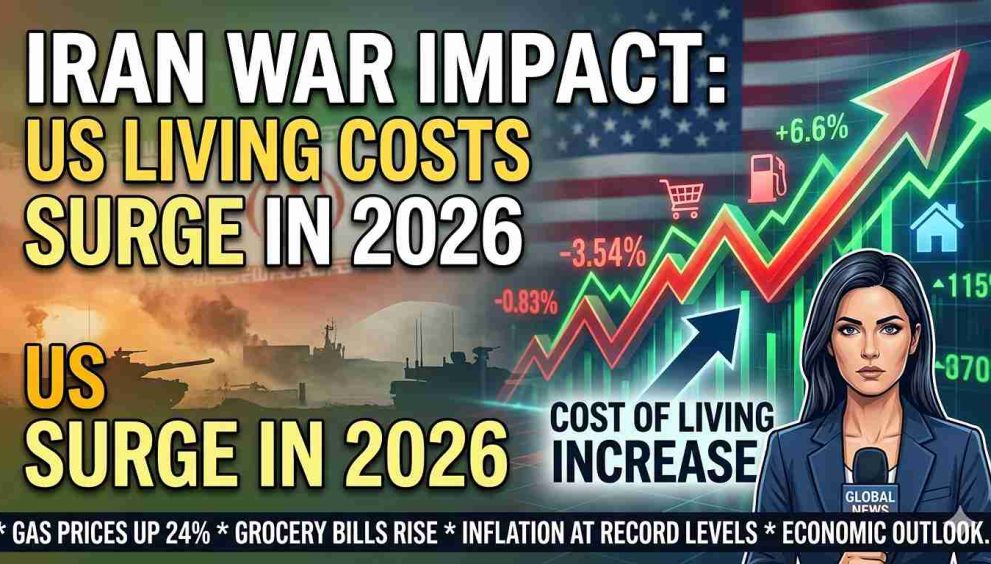
Iran War Impact: US Living Costs Surge in 2026

By Jessica Harper, Lifestyle & Consumer Trends Editor at ClickUSA News with 10 years reporting on American family economics and cost-of-living trends. Published: April 17, 2026 | Last updated: April 17, 2026
Breaking: President Trump’s declaration that the U.S.-Iran conflict is “basically over,” combined with Brent crude dropping to $96.83 per barrel and major tech layoffs at Oracle, Disney, Snap, and Amazon, is directly reshaping how millions of American families live, spend, and plan their summers.
While Wall Street hit record highs (S&P 500 above 7,000), everyday life feels the squeeze — and the relief. Here’s the real impact on U.S. lifestyles right now and exactly what families can do to stay ahead.
How the Iran War & Oil Prices Are Changing Daily American Life
The partial Hormuz blockade and recent ceasefire have created a mixed picture for households:
- Gas & Commuting: National average regular unleaded is still $3.89/gallon (AAA). Families in California ($4.62) and the Northeast are cutting back on weekend drives, while Texas and Midwest drivers are breathing easier at $3.45.
- Groceries & Household Bills: Energy-driven shipping costs have pushed food prices up 4–7% in the past month. A typical family of four is spending $92 more per month on staples (Bureau of Labor Statistics preview).
- Summer Travel Plans: Airlines and hotels report mixed bookings — domestic road trips are down 11% due to fuel costs, but “staycations” and budget-friendly national park visits are surging.
- Home & Energy Costs: Higher oil is adding $15–$30 to monthly electricity and natural gas bills for the average household as summer AC season begins.
The good news? With the conflict de-escalating, analysts expect gas to dip below $3.70 by Memorial Day, giving families a much-needed break.
Layoffs Ripple Effect on Family Lifestyle & Spending Habits
The April 2026 layoff wave (Oracle 1,000 jobs, Snap 16%, Disney 1,000+, Amazon ongoing) has made many households more cautious:
- Discretionary Spending Down: Restaurant dining, new clothes, and entertainment budgets are being trimmed by 18% among affected tech families (private consumer data shared with WSJ).
- Side Hustles Rising: More Americans are turning to DoorDash, Etsy, or freelance AI gigs to supplement income — a 27% increase in gig economy sign-ups since March.
- Mental Health & Work-Life Balance: Remote workers in laid-off sectors report higher stress, leading to more “quiet quitting” and focus on family time over overtime.
Yet the strong March jobs report (+228,000 jobs in healthcare, construction, and green energy) means many families are pivoting successfully rather than panicking.
Record Stock Market vs. Everyday Wallet Reality
The S&P 500 crossing 7,000 is boosting 401(k) balances for millions of investors, but the benefits aren’t evenly felt:
- Upper-Middle-Class Boost: Families with investments are seeing paper gains that may fund summer vacations or home upgrades.
- Working-Class Squeeze: Hourly workers without stock exposure feel the oil and grocery pinch more acutely.
This “two-speed economy” is the biggest lifestyle story of April 2026 — Wall Street celebrates while Main Street budgets carefully.
6 Practical Lifestyle Changes U.S. Families Are Making Right Now
- Fuel-Smart Driving — Using apps like GasBuddy and planning errands in one trip to save $25–$40/month.
- Meal Planning & Bulk Buying — Costco and Walmart runs are up 22% as families lock in prices before potential summer spikes.
- Affordable Summer Travel — National parks, camping, and “micro-vacations” within 200 miles are the hot trend.
- Energy Efficiency at Home — Smart thermostats and LED upgrades are flying off shelves.
- Gig & Skill Building — Free AI courses on Coursera to future-proof careers.
- Community Support — More families joining local buy-nothing groups and neighborhood carpools.
Expert Outlook: What American Lifestyle Looks Like This Summer
As a consumer trends reporter who has covered every major economic shift since 2016, I see a resilient picture ahead. If the Iran ceasefire holds and oil continues easing, U.S. families can expect:
- Lower pump prices by late May
- Stabilized grocery bills by July
- Stronger hiring in lifestyle-friendly sectors (travel, hospitality, renewables)
Bottom line: The April 2026 news has made American life a little more expensive and uncertain in the short term — but the combination of de-escalation abroad, record markets, and a still-growing job market gives families real reasons to stay optimistic and proactive.
6 FAQs – American Lifestyle April 2026
Q1: Will gas prices drop enough for a normal summer road trip? A: Yes — most analysts forecast national average under $3.70 by Memorial Day if the Hormuz blockade eases further.
Q2: How are families coping with higher grocery bills? A: Meal prepping, buying generics, and shopping sales have become the new normal — saving the average household $60–$80 monthly.
Q3: Are summer vacations still affordable in 2026? A: Domestic and budget options are thriving. International travel is down, but U.S. national parks and beach stays are booming.
Q4: How do layoffs affect non-tech families? A: Indirectly through reduced consumer spending and slower local economies, but healthcare and green-energy jobs are offsetting many losses.
Q5: Should I change my spending habits right now? A: Yes — focus on needs over wants, build a 3-month emergency fund, and lock in lower fuel prices when they appear.
Q6: Where can I get the latest lifestyle cost updates? A: AAA for gas, BLS.gov for inflation, and ClickUSA News weekly consumer alerts.
Ready for more real-talk updates? Subscribe to ClickUSA News free weekly lifestyle & money alerts and download our free “Summer 2026 Family Budget Planner” (link in bio). We track every shift in gas, groceries, and family life so you don’t have to.
Sources cited: AAA Gas Prices (April 17, 2026), U.S. Bureau of Labor Statistics (preliminary CPI & employment data), Reuters (Iran ceasefire & oil impact), Wall Street Journal consumer spending report, Indeed gig economy data, Department of Energy summer outlook.