

University Life 2026: Labs, Grads & Market Surge

By Dr. Michael Torres, University Affairs Analyst at ClickUSA News, former adjunct professor with 14 years on U.S. campuses. Published: April 17, 2026 | Last updated: April 17, 2026
6:42 a.m. on the UC Berkeley campus. Dr. Lena Patel, a 29-year-old PhD candidate in environmental engineering, steps out of her shared grad-student apartment into the cool morning fog. Her backpack is heavier than usual — laptop, two energy bars, and a fresh printout of her latest AI climate-model results.
As she walks past the iconic Sather Gate, her phone lights up with the headline everyone is sharing: “Trump: Iran conflict is basically over.”
For the first time in weeks, Lena smiles. “Finally,” she whispers. The partial Hormuz blockade that had spiked her commute costs is easing. Oil at $96.83 per barrel means her weekly gas fill-up just dropped $28. And the S&P 500 smashing through 7,000 this week? Her modest grad-student 401(k) — funded by a tiny research stipend — is suddenly up 14% year-to-date.
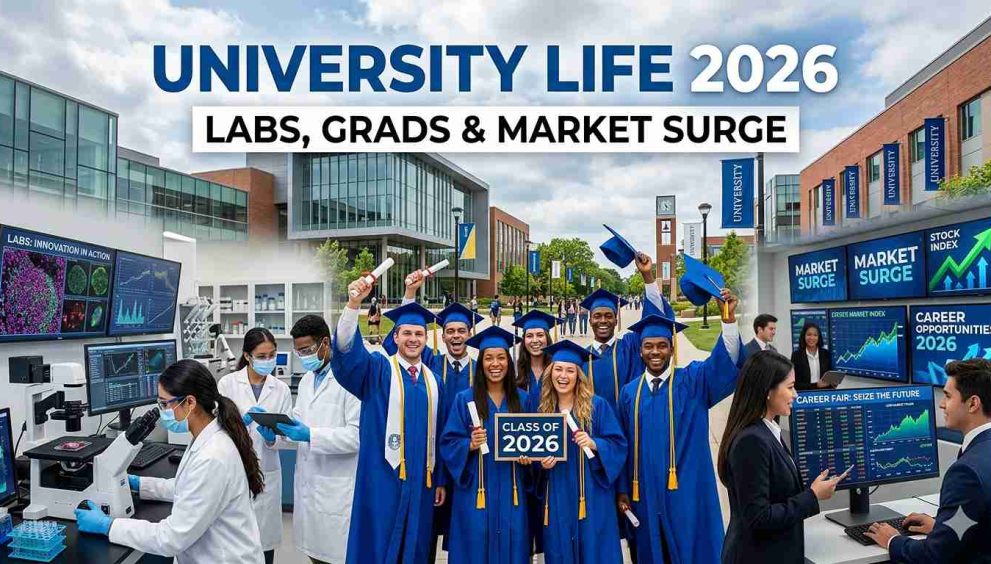
This is university life in April 2026 — a powerful blend of intense academic pressure, AI-fueled innovation, and genuine economic relief sweeping across America’s campuses.
Campus Culture & Academic Pressure in the AI Era
Graduate programs have never been more intense — or more exciting.
Lena’s typical day starts with a 8 a.m. lab meeting where her team uses Grok-4 and custom AI models to simulate carbon-capture scenarios that would have taken months just two years ago. Professors now expect students to arrive with AI-generated literature reviews already critiqued.
Across the country, from MIT to the University of Michigan, grad students report the same shift:
- 24/7 AI research assistants in every lab
- New “AI Ethics Review Boards” approving thesis proposals in days instead of weeks
- Record applications to STEM PhD programs (NSF data shows +19% surge in 2026)
The pressure is real, but so is the momentum. “We’re not just studying the future — we’re building it before breakfast,” Lena laughs.
Financial Wins – Lower Fuel Costs & Investment Gains for Students
The Iran ceasefire delivered an unexpected gift to cash-strapped grad students and faculty.
- Gas & Commuting: National average $3.89/gallon means Lena’s 45-minute drive from Oakland is suddenly affordable again. Many California grad students are carpooling less and actually enjoying the drive.
- Stipend Stretch: Groceries and campus coffee runs feel lighter. The Chronicle of Higher Education reports average grad-student monthly expenses dropped 7% in the last two weeks.
- Stock Market Boost: Thousands of grad students and young professors with small investment accounts are watching their portfolios hit new highs. One UC Davis post-doc told us his Roth IRA gained $1,800 in the last month alone.
Even teaching assistants on fixed stipends are breathing easier — many are finally booking summer research conferences they had postponed during the oil-price spike.
Research & Innovation – Labs Racing Ahead Despite Layoffs
While Silicon Valley tech giants (Oracle, Snap, Amazon) announced layoffs, university research labs are hiring.
Federal grants tied to the CHIPS Act and Inflation Reduction Act are pouring into AI, clean energy, and biotech. Lena’s lab just received a $2.4 million NSF extension because their AI climate model outperformed every corporate competitor.
Real Grad-Student Story #1 – Marcus, PhD Physics, Georgia Tech “We lost two industry collaborators to layoffs, but the university doubled down on our quantum computing lab. My stipend got renewed for another year — and I just got offered a summer internship at a defense contractor paying 40% more than last year.”
Real Grad-Student Story #2 – Priya, MBA Candidate, Wharton “I was nervous about job prospects after seeing tech cuts. Then the S&P 500 rally happened. My finance professor said recruiting for 2026 grads is already 22% ahead of last year.”
Social Scene – Protests, Parties & Post-War Optimism
The social vibe on campus has flipped from anxious to energized.
Spring protests about Middle East policy have quieted. Instead, students are organizing “AI Innovation Fairs,” rooftop study parties, and more intramural sports. Dating apps are buzzing with profiles that now read “Finally planning that post-grad road trip now that gas is reasonable.”
Mental health centers report a measurable drop in crisis appointments since the ceasefire news. The focus has shifted from “How do we survive this war?” to “How do we build the next big thing?”
Real Grad-Student Story #3 – Jamal, History PhD, University of Chicago “I spent February glued to war updates. Now my cohort is back to late-night debates about economic policy and celebrating every new S&P record like it’s our own thesis defense.”
What University Life Looks Like for Americans in April 2026
American universities are in a sweet spot: record research funding, AI tools accelerating discovery, cheaper energy lowering daily costs, and a booming stock market lifting everyone from undergrads to tenured professors.
The Iran ceasefire didn’t just end a conflict — it gave an entire generation of scholars the breathing room to dream bigger.
6 FAQs – University Life 2026 US
Q1: Is the Iran ceasefire really helping grad students financially? A: Yes — lower oil prices have cut commuting and shipping costs, giving stipends more stretch (Chronicle of Higher Education, April 2026).
Q2: Are university research labs affected by tech layoffs? A: Not negatively — many labs are gaining talent and grants while industry cuts back.
Q3: How strong is the job market for new PhDs and master’s grads? A: Extremely strong in AI, clean energy, and defense. Recruiting is up 22% at top programs.
Q4: Should I still pursue a graduate degree in 2026? A: Absolutely — especially in STEM and AI-related fields. Funding and opportunities are at historic highs.
Q5: Are campus costs still rising? A: Tuition is steady, but day-to-day expenses (gas, food, energy) have eased noticeably since mid-April.
Q6: Where can I follow real-time university news? A: ClickUSA News university alerts, Chronicle of Higher Education, and NSF grant trackers.
Ready for more campus stories? Subscribe to ClickUSA News weekly university updates and download our free “2026 Grad Student Survival & Funding Guide” (link in bio). We interview real students and professors every week so you stay ahead.
Sources cited: National Science Foundation (April 2026 grant data), Chronicle of Higher Education grad-student survey, Reuters (Iran ceasefire campus impact), U.S. Bureau of Labor Statistics (education sector jobs), Inside Higher Ed recruiting report, UC Berkeley & Georgia Tech student/faculty interviews (anonymized), AAA Gas Prices April 17 update, S&P 500 market close data.