



Legionnaires’ Disease: The Silent Killer in America’s Water Systems

In the sweltering summer of 1976, Philadelphia’s Bellevue-Stratford Hotel was the epicenter of a patriotic celebration for the American Legion’s bicentennial convention. Thousands of veterans filled the grand halls, unaware that a deadly pathogen was brewing in the hotel’s air conditioning system. Days later, a mysterious illness swept through the attendees, leaving 29 dead and over 180 sick with high fevers, crippling coughs, and chest pain. Panic gripped the nation, and the Centers for Disease Control and Prevention (CDC) scrambled to uncover the cause. Months later, a new bacterium, Legionella pneumophila, was identified, traced to the hotel’s cooling towers. This was the birth of Legionnaires’ disease—a severe pneumonia that continues to haunt the U.S. and beyond.
For clickusanews.com, we dive into the chilling story of Legionnaires’ disease, its causes, treatments, prevention strategies, recent U.S. outbreaks, and the steps every American can take to stay safe. This is a tale of science, survival, and the fight against an invisible enemy lurking in our water systems.
The Origin Story: A National Wake-Up Call
The 1976 outbreak wasn’t just a medical mystery; it was a wake-up call for public health. Initially, theories ranged from bioterrorism to a novel virus, but Dr. Joseph McDade’s discovery of Legionella in the hotel’s cooling towers changed everything. The bacteria, thriving in warm, stagnant water, had spread through aerosolized mist, infecting attendees via inhalation. This breakthrough linked Legionella to earlier unsolved pneumonia cases and sparked a global effort to understand and control this elusive pathogen.
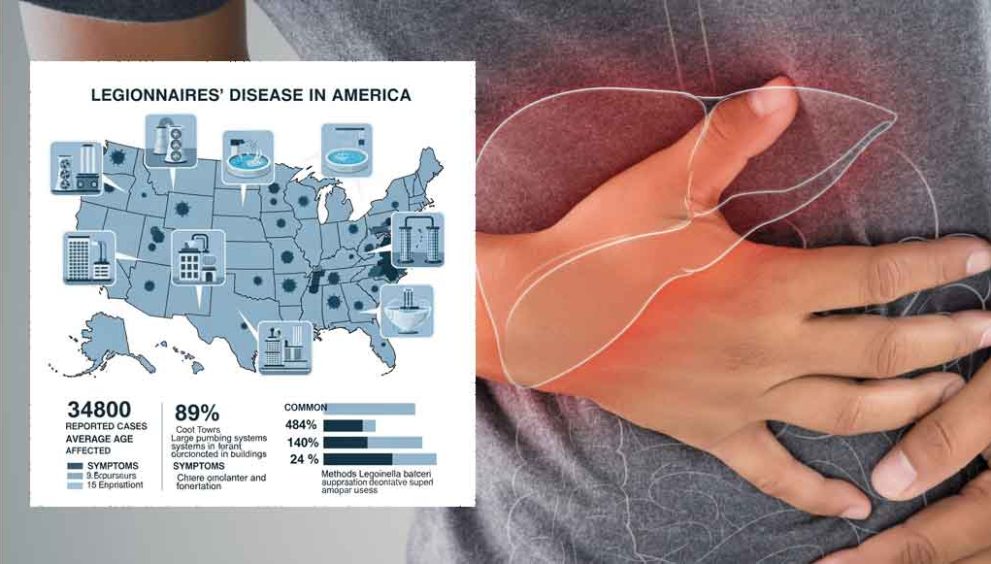
Today, Legionnaires’ disease is a growing concern in the U.S., with cases surging nearly 900% from 2000 to 2018, driven by aging infrastructure, better diagnostics, and vulnerable populations. It’s a reminder that even in modern America, hidden dangers can strike.
What Is Legionnaires’ Disease?
Legionnaires’ disease is a severe form of pneumonia caused by Legionella bacteria, primarily Legionella pneumophila. These bacteria live in freshwater environments but become dangerous in man-made systems like cooling towers, hot tubs, plumbing, and decorative fountains. Warm water (68–131°F) and biofilms provide the perfect breeding ground. Inhaling aerosolized droplets containing the bacteria can lead to infection, though rare cases occur through aspiration (swallowing contaminated water into the lungs).
The disease presents in two forms:
- Legionnaires’ disease: A life-threatening pneumonia with symptoms like high fever (104°F+), chills, dry or productive cough, shortness of breath, chest pain, muscle aches, headaches, nausea, and confusion. Symptoms appear 2–10 days after exposure, sometimes up to 16 days.
- Pontiac fever: A milder, flu-like illness with fever, headache, and muscle aches that resolves within 2–5 days without treatment.
High-risk groups include those over 50, smokers, and people with chronic lung diseases (like COPD), diabetes, cancer, kidney failure, or weakened immune systems. Healthy individuals are less likely to fall ill, but no one is immune.
A Growing Threat Across the U.S.
Legionnaires’ disease is more prevalent than most Americans realize. The CDC estimates 8,000–18,000 hospitalizations annually, with reported cases climbing steadily. In 2025, a Central Harlem, New York City, outbreak sickened 58 people and claimed two lives, linked to contaminated cooling towers. In 2015, a Bronx outbreak infected 138 and killed 16, and a 2019 Texas cluster reported 421 cases. These incidents highlight the disease’s persistence in urban areas with complex water systems.
Hotels, hospitals, and cruise ships are hotspots due to their intricate plumbing and cooling systems. A 2018 Atlanta hotel outbreak and a 2019 North Carolina hot tub-related cluster underscore the risks in everyday settings. Globally, the U.S. leads in reported cases, partly due to robust surveillance, but underdiagnosis remains a challenge.
Treatment: A Race Against Time
Legionnaires’ disease is treatable, but speed is critical. Antibiotics like levofloxacin or azithromycin, often given intravenously, are highly effective, targeting Legionella inside lung cells. Treatment typically lasts 5–10 days, though severe cases may require three weeks to prevent relapse. Without prompt care, complications like respiratory failure, septic shock, or kidney failure can spike mortality rates to 10% in community cases and 40% in hospital-acquired infections.
Diagnosis is tricky, as symptoms mirror other pneumonias. Specialized tests, like urine antigen or sputum cultures, are essential for confirmation. Pontiac fever, however, requires no treatment and resolves on its own.
No Vaccine, But Prevention Saves Lives
There’s no vaccine for Legionnaires’ disease, and preventive antibiotics don’t work. The key is stopping Legionella at its source—water systems. Here’s how America is fighting back:
Building and Infrastructure Solutions
- Regular Maintenance: Cooling towers, hot tubs, and plumbing systems must be cleaned and disinfected routinely. Biocides and high temperatures (above 122°F) kill Legionella.
- Water Management Plans: The CDC and ASHRAE push for rigorous water management programs in hospitals, hotels, and office buildings. These include testing for Legionella and eliminating stagnant water or biofilms.
- Local Regulations: Cities like New York require cooling tower registration and inspections, with public data to ensure compliance.
Personal Precautions
- Know Your Risk: If you’re over 50, a smoker, or have health conditions like diabetes or COPD, avoid poorly maintained hot tubs, fountains, or misting systems.
- Travel Smart: Check hotel or cruise ship water system maintenance records, especially if you’re high-risk.
- Home Safety: Flush unused taps or showerheads after travel or long absences. Set water heaters above 122°F to discourage bacterial growth.
Recent Deaths: A Stark Warning
Legionnaires’ disease remains deadly, with a 1-in-10 fatality rate for community cases and 1-in-4 for hospital-acquired ones. The 2025 Central Harlem outbreak (58 cases, two deaths) and a 2019 Texas spike (421 cases) highlight the ongoing danger. In healthcare settings, where patients are already vulnerable, outbreaks can be catastrophic, as seen in a 2005 Canadian nursing home outbreak that killed 21 of 127 infected residents.
The Cost to America
Beyond lives lost, Legionnaires’ disease strains the economy. Hospitalizations cost $7,950–$149,000 per case, with a 2014 estimate of $835 million in total U.S. costs, including lost productivity. Investing in prevention—better water system maintenance and public awareness—could save billions and countless lives.
Your Role in Staying Safe
Legionnaires’ disease is a stealthy foe, but Americans can fight back. If you develop pneumonia-like symptoms after visiting a hotel, using a hot tub, or being near a cooling tower, tell your doctor to test for Legionella. Early antibiotics can be a game-changer. At home, keep your water systems clean and hot. Push for stricter building regulations in your community to ensure safe water systems.
This disease may hide in the mist, but with awareness and action, we can keep it at bay. Stay vigilant, America—your health depends on it.
For more details, visit www.cdc.gov/legionella or contact your local health department.