



Iran War Latest Updates April 2026: U.S. F-15 Shot Down Over Iran, One Pilot Missing, Trump Warns of Expanded Strikes on Power Plants & Bridges

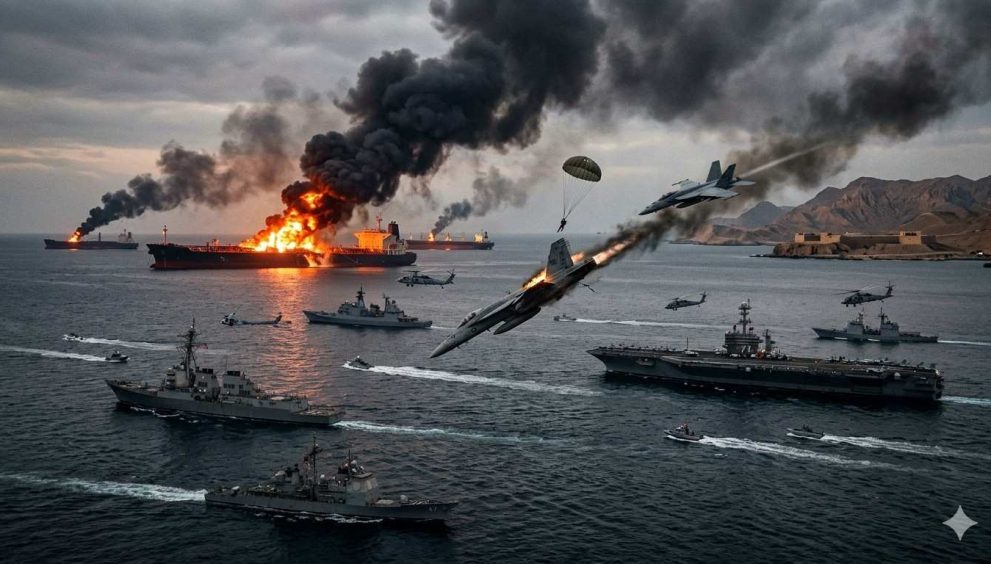
Iran War Latest Updates April 2026: U.S. Fighter Jet Downed, Trump Vows “Much More to Come,” Strait of Hormuz Crisis Hits American Gas Prices (April 4, 2026)
The U.S.-led coalition’s war against Iran, now entering its 36th day, escalated dramatically on April 3 as Iranian forces shot down a U.S. F-15E Strike Eagle fighter jet deep inside Iranian territory. One American crew member has been rescued, but search-and-rescue operations continue for the second airman. President Donald Trump stated that America’s core strategic objectives are “nearing completion” while warning Tehran of far more aggressive strikes ahead if the Strait of Hormuz is not reopened immediately.
Breaking Military Developments (April 3-4, 2026)
- U.S. F-15E Shot Down: Iran downed the two-crew F-15E fighter jet over its airspace. U.S. special forces rescued one pilot; the second remains missing. A frantic search-and-rescue mission is underway. This marks the first confirmed U.S. manned aircraft loss in the conflict.
- Second U.S. Aircraft Hit: Reports confirm a second U.S. combat plane — possibly an A-10 Thunderbolt II — was struck by Iranian fire near the Persian Gulf, forcing the pilot to eject. U.S. officials are assessing the damage.
- U.S.-Israeli Strikes Expand: Coalition forces have moved beyond strictly military targets, hitting the Darou Pakhsh Pharmaceutical Manufacturing Company and the Pasteur Institute in Tehran Province, as well as the critical B1 (Bileghan) Bridge connecting Tehran and Karaj — one of Iran’s tallest and most strategically important structures. These strikes aim to disrupt missile transfers and supply lines.
- Iranian Counterstrikes: Iran launched multiple missile salvos at Israel, causing fires and factory damage in Negev, Rosh Haayin, and Petah Tikva. Iranian missiles and drones also struck U.S.-linked facilities in the UAE, Bahrain, and an oil tanker near Qatar. Gulf states reported intercepting incoming threats.
President Trump’s Latest Statements
In a national address and multiple Truth Social posts, President Trump declared:
- U.S. “strategic objectives” in the war are nearing completion.
- America “hasn’t even started destroying what’s left in Iran” and will target bridges, power plants, and energy infrastructure next.
- Iran’s “new regime president” has requested a ceasefire — a claim Tehran immediately rejected as “false and baseless.”
- The U.S. will consider any ceasefire only after the Strait of Hormuz is “open, free, and clear.”
Trump has indicated the major phase of operations could wind down in 2–3 weeks if objectives are met, but he emphasized the coming days will involve intensified pressure on Iranian infrastructure.
Impact on American Families & the U.S. Economy
- Gas Prices Rising Fast: Disruptions in the Strait of Hormuz — through which 20% of global oil passes — have already pushed U.S. gasoline prices higher. Analysts warn of further spikes if the crisis continues, directly affecting American drivers, trucking, and household budgets.
- Broader Economic Ripple: Higher oil prices are contributing to increased costs for fertilizers, chemicals, and consumer goods. U.S. markets are watching closely as the conflict threatens global energy security.
- U.S. Military Personnel: The downing of the F-15 has brought the human cost home for American service members and their families. The Pentagon has not released names, but rescue operations remain a top priority.
Humanitarian Crisis in Iran & the Region
Iranian officials report over 2,000 killed and more than 26,500 wounded from coalition strikes, with widespread damage to civilian infrastructure including homes, schools, and medical facilities. The International Rescue Committee has warned of a growing humanitarian disaster across the Middle East.
How the 2026 Iran War Began
The conflict erupted on February 28, 2026, with Operation Epic Fury — nearly 900 U.S. and Israeli strikes in the first 12 hours targeting Iranian nuclear sites, missile facilities, air defenses, and top leadership, including the assassination of Supreme Leader Ali Khamenei. Iran responded with massive retaliatory barrages across the region.
What’s Next for the United States?
Analysts say the next 7–10 days are critical. U.S. intelligence assesses that Iran is unlikely to release its leverage over the Strait of Hormuz soon, using it as its primary bargaining chip. President Trump has made clear that expanded strikes on energy and power infrastructure remain on the table.
The Pentagon continues to monitor the situation closely, with additional U.S. forces already positioned in the region. American citizens with family or business ties in the Gulf are advised to follow State Department travel warnings.
Stay Informed: This is a rapidly evolving situation. For the latest verified updates, rely on official U.S. government statements and major American news outlets.