

Student Loan Forgiveness Chaos: IBR Program Stalls, Leaving Borrowers in the Lurch

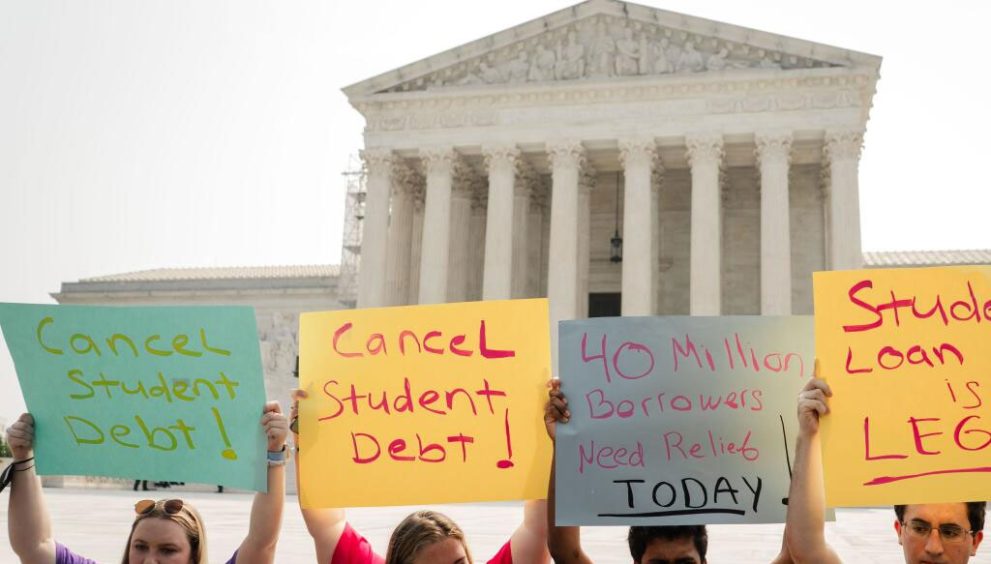
A Broken Promise: Borrowers Betrayed by System Delays
Picture this: you’ve spent over two decades faithfully paying off your student loans under the Income-Based Repayment (IBR) plan, scraping by to meet monthly payments, only to find out the forgiveness you were promised has been yanked away at the last second. This isn’t a bad dream—it’s the reality for millions of Americans as the U.S. Department of Education has hit pause on IBR loan forgiveness as of July 2025, blaming “system upgrades” and legal roadblocks. For borrowers who’ve played by the rules, this halt is nothing short of a gut punch, sparking outrage and uncertainty across the nation. Welcome to the student loan forgiveness crisis of 2025, brought to you by ClickUSAnews.com.
IBR: The Lifeline That’s Fraying
The Income-Based Repayment plan was once a lifeline for borrowers drowning in student debt. Designed under the Higher Education Act, IBR caps monthly payments at 10% to 15% of a borrower’s discretionary income, depending on when they enrolled, with the promise of forgiveness after 20 to 25 years. It’s been a saving grace for teachers, nurses, and others in lower-paying fields who couldn’t qualify for programs like Public Service Loan Forgiveness (PSLF). For many, it was the only path to financial freedom without sacrificing their careers. But now, with nearly 1.9 million borrowers stuck in limbo, that path looks more like a dead end.
Why the Hold-Up? A Perfect Storm of Bureaucracy and Politics
The suspension of IBR forgiveness is the latest chapter in a saga of federal student loan chaos. The Trump administration, back in power in 2025, has made it clear it wants to overhaul what it calls a “broken” loan system. Education Secretary Linda McMahon has slammed the Biden-era Saving on a Valuable Education (SAVE) plan, which was struck down by courts in 2024 for overstepping legal bounds. The ripple effects of those rulings have clogged the system, with the Department of Education citing a massive backlog in processing IBR and other income-driven repayment (IDR) applications.
To make matters worse, the Department slashed nearly half its workforce in early 2025, including key staff at the Office of Federal Student Aid. Loan servicers like MOHELA are drowning in paperwork, and borrowers report that their forgiveness progress, once tracked on StudentAid.gov, has disappeared into a digital void, replaced by vague automated messages. The result? A system in disarray, with no clear timeline for when forgiveness will resume.
Real People, Real Pain: Borrowers Speak Out
The human cost of this crisis is staggering. Take Emily, a 45-year-old social worker from Michigan, who took to X to vent her frustration: “I’ve paid my loans for 23 years under IBR, giving up so much to stay on track. I was weeks away from forgiveness, and now it’s ‘on hold.’ This is a slap in the face.” Her story isn’t unique. Across social media, borrowers are sharing their anger and despair, with many facing the prospect of endless payments on loans that have grown despite years of payments due to accruing interest.
Persis Yu from the Student Borrower Protection Center sums it up: “Every day the Department delays is another day borrowers are robbed of the relief they’ve earned.” For those who’ve built their financial lives around the promise of forgiveness, the stakes couldn’t be higher.
The “One Big Beautiful Bill Act”: Reform or Roadblock?
Adding fuel to the fire is the “One Big Beautiful Bill Act,” signed into law by President Trump on July 4, 2025. Touted as a fix for a bloated loan system, the bill simplifies repayment options for new borrowers starting July 1, 2026, offering only a standard 10- to 25-year repayment plan or a new Repayment Assistance Plan (RAP) that stretches income-driven repayment to a grueling 30 years. The SAVE, Pay As You Earn (PAYE), and Income-Contingent Repayment (ICR) plans will be phased out by July 1, 2028, leaving IBR as the sole IDR option for existing borrowers.
While the administration calls it a win for “accountability,” critics argue it traps borrowers in debt for longer. Aissa Canchola Bañez of the Student Borrower Protection Center warns, “The 30-year RAP plan means borrowers will be chained to their loans well into their 50s or beyond.” For current IBR participants, the fear is that further changes could erode their path to forgiveness.
Legal Battles Fuel the Fire
The roots of this mess lie in legal challenges to the Biden administration’s SAVE plan, which promised lower payments and faster forgiveness. Federal courts shut it down, leading to a forbearance period for 8 million borrowers that paused interest but froze progress toward forgiveness. As of August 1, 2025, interest will resume, pushing borrowers to switch to IBR to keep their forgiveness hopes alive. But a February 2025 court ruling briefly halted all IDR processing, and despite applications reopening in March, the backlog remains massive, with 1.5 million applications still pending, according to the American Federation of Teachers.
Advocates are fighting back. Lawsuits from groups like the American Federation of Teachers have forced the Department to provide monthly progress reports, but the pace is glacial, leaving borrowers like Emily wondering if they’ll ever see relief.
What Can Borrowers Do? Navigating the Chaos
For those caught in this storm, the Department of Education suggests using the Loan Simulator on StudentAid.gov to explore options. Borrowers in the SAVE plan should switch to IBR ASAP to avoid interest accrual and keep their forgiveness clock ticking, especially for those eyeing PSLF. But with loan servicers overwhelmed, the process is anything but smooth. Abby Shafroth from the National Consumer Law Center notes that IBR’s higher payment requirements could be a burden for some, especially compared to the more generous SAVE plan.
For those nearing the 20- or 25-year forgiveness mark, the suspension is a bitter pill. “It’s like running a marathon and being told the finish line’s been moved,” says borrower @studentdebtwarrior on X. The advice? Stay vigilant, check StudentAid.gov for updates, and brace for potential payment hikes.
The Bigger Picture: A System Under Fire
The IBR suspension has ignited a firestorm of debate about the future of student loans in America. On X, borrowers like @debtfreeordie are calling it a “scam” and demanding accountability: “We did everything right, and now we’re punished?” The sentiment reflects a growing distrust in a system that seems to shift the goalposts just as relief is in sight.
As Washington grapples with the fallout, borrowers are left to navigate a maze of delays, legal battles, and policy overhauls. ClickUSAnews.com will keep you updated as this story unfolds, but one thing is certain: the fight for student loan forgiveness is far from over. Stay informed, stay proactive, and don’t let the system win.