



US-Iran Nuclear Talks Show ‘Good Progress’ in Geneva

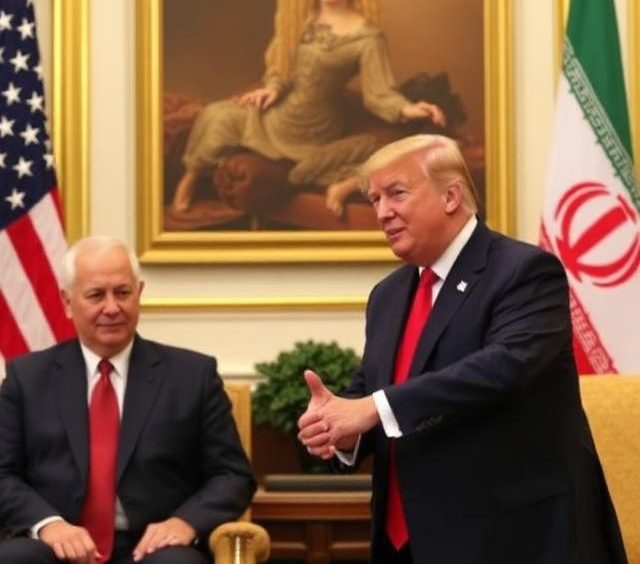
US-Iran Nuclear Talks Show ‘Good Progress’ in Geneva
Byline: Alex Rivera, Senior Foreign Affairs Correspondent Published: February 18, 2026 | www.clickusanews.com
In a high-stakes moment for global security, indirect talks between the United States and Iran concluded in Geneva on Tuesday with both sides signaling meaningful forward movement—though far from a breakthrough. Iranian Foreign Minister Abbas Araghchi described the discussions as “serious, constructive and positive,” announcing that the delegations had reached a “general understanding on a set of guiding principles” to serve as the foundation for drafting a potential agreement. A U.S. official, speaking to Axios, confirmed that “progress was made,” but emphasized that “there are still a lot of details to discuss” and significant gaps remain.
The roughly three-hour session, held at the Omani mission in Geneva and mediated once again by Oman, builds on an earlier round in the Gulf state earlier this month. It comes amid escalating military posturing: President Donald Trump has repeatedly warned that failure to reach a swift accord could lead to U.S. military action, while Iran has flexed its muscles with live-fire drills that temporarily closed parts of the strategic Strait of Hormuz. Yet Tuesday’s outcome offers a rare glimmer of diplomatic optimism in what has been a tense, on-again-off-again standoff since Trump’s return to the White House.
Background: From JCPOA Collapse to ‘Peace Through Strength’
The current negotiations trace back to the unraveling of the 2015 Joint Comprehensive Plan of Action (JCPOA), which Trump withdrew from in 2018 during his first term. Iran responded by ramping up uranium enrichment beyond JCPOA limits, now approaching weapons-grade levels according to IAEA reports. Trump’s “maximum pressure” campaign of sanctions aimed to force Tehran back to the table, but it also deepened mistrust.
In his second term, Trump has adopted a “peace through strength” approach—combining threats of force with back-channel diplomacy. Envoys like special representative Steve Witkoff and Trump’s son-in-law Jared Kushner led the U.S. side in Geneva, reflecting the administration’s reliance on trusted insiders. Oman, a neutral mediator with strong ties to both Washington and Tehran, has facilitated these indirect talks to avoid direct face-to-face meetings that could be politically toxic at home.
Iran, for its part, has insisted the discussions remain narrowly focused on the nuclear file, resisting U.S. pushes to include limits on ballistic missiles or regional proxy activities. Supreme Leader Ayatollah Ali Khamenei has warned that any U.S. military buildup in the region risks “regional war,” even as Foreign Minister Araghchi struck a more measured tone post-talks.
Key Developments from the Geneva Session
Tuesday’s talks unfolded against a dramatic backdrop. As negotiators exchanged notes through Omani intermediaries, Iranian state media reported the temporary closure of sections of the Strait of Hormuz for maritime exercises—a clear signal of defiance amid U.S. carrier group deployments in the Gulf.
- Iranian Perspective: Araghchi told Iranian state television the session was “more constructive” than the Oman round. “Various ideas were presented and discussed seriously,” he said. “Ultimately, we were able to reach broad agreement on a set of guiding principles… We now have a clearer path ahead.” He noted Iran would prepare detailed proposals for the next round in about two weeks.
- U.S. Perspective: Officials described incremental gains but tempered expectations. A senior U.S. source told CNN the administration anticipates receiving Iranian drafts addressing “open gaps” soon. Another told NBC News the talks went well “in some ways,” with both sides committing to continued work on text.
- Mediator’s View: Omani Foreign Minister Badr Albusaidi praised the negotiations for identifying “common goals and relevant technical issues,” per BBC reporting.
No immediate concessions were announced on core issues like enrichment caps, centrifuge limits, or sanctions relief. Yet the agreement to exchange draft texts marks the first concrete step toward formalizing a framework since talks restarted.
Implications: Deal Chances vs. Escalation Risks
Analysts see Tuesday’s progress as a positive sign that diplomacy may yet avert conflict, but skepticism runs deep. The U.S. has expanded its military footprint in the Middle East, with additional assets positioned for potential strikes if talks collapse. Trump has publicly stated he believes Iran “wants to make a deal,” but his timeline appears short—weeks, not months.
For global markets, any de-escalation could stabilize oil prices, which have ticked upward on fears of disruption in the Strait of Hormuz. Regionally, Israel (which has conducted shadow operations against Iranian facilities) and Gulf allies watch closely; Netanyahu’s team has coordinated with Washington but remains wary of any deal perceived as weak.
Domestically in the U.S., the talks tie into broader foreign policy debates. Trump’s base appreciates the tough rhetoric, while critics question whether the administration is serious about diplomacy or using talks as cover for eventual military options. Public opinion polls (though early in the term) show mixed support for engagement versus confrontation.
Experts like those cited in The Washington Post note that without addressing Iran’s missile program or proxies, a sustainable deal remains elusive. Yet the mutual acknowledgment of progress suggests both sides see value in avoiding war—at least for now.
What’s Next?
Iran is expected to return with detailed proposals in the coming weeks, potentially setting up a third round. U.S. officials have stressed patience but reiterated that “all options remain on the table.” Trump himself has indicated indirect involvement, telling reporters he expects Tehran to move quickly.
As the Middle East balances on this knife-edge, Geneva’s cautious optimism offers hope—but history shows nuclear diplomacy with Iran is rarely straightforward. For now, the world watches, hoping “guiding principles” lead to something more concrete than words.
For more USA news check:
https://clickusanews.com/news/
Latest USA breaking news, national headlines, global affairs, and trending stories.
https://clickusanews.com/sports/
USA sports news, live scores, match highlights, athlete updates, and major sporting events.
https://clickusanews.com/technology/
Technology news covering AI, gadgets, innovation, cybersecurity, and digital trends in the USA.
https://clickusanews.com/entertainment-movies-ott/
Entertainment updates including movies, OTT releases, celebrity news, and pop culture stories.
https://clickusanews.com/business/
Business and finance news with USA market updates, corporate stories, crypto, and economic insights