



Iran War 2026: US Seizes Ship in Hormuz Crisis

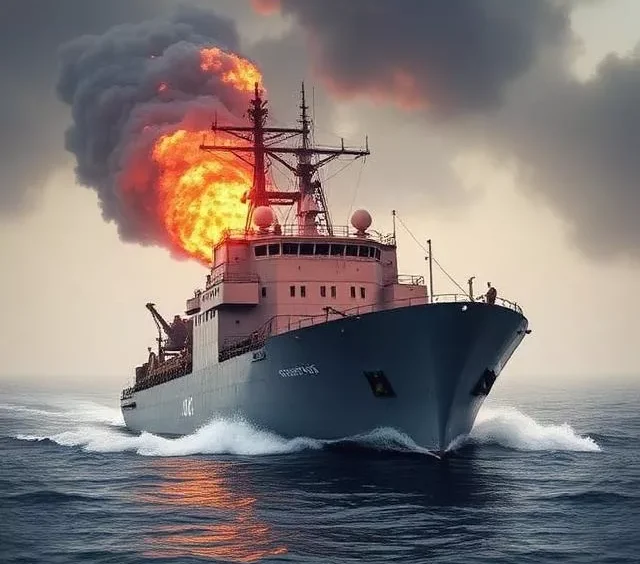
April 20, 2026 – Tensions in the Iran conflict escalated again this weekend as the U.S. Navy seized an Iranian-flagged cargo ship attempting to break the American naval blockade near the Strait of Hormuz. Iran responded by fully closing the critical waterway and firing warning shots at vessels, raising fresh concerns about global oil supplies and higher prices at the pump for American families.
President Donald Trump is taking a hard line, while announcing renewed peace talks in Pakistan. Here’s the latest on the crisis and its direct impact on the United States.
Latest Developments: US Seizes Iranian Vessel
- On April 19, the USS Spruance (a guided-missile destroyer) intercepted the Iranian-flagged cargo ship Touska in the Gulf of Oman after it tried to breach the U.S. naval blockade of Iranian ports. After multiple warnings, U.S. forces fired on the vessel’s engine room, disabled it, and U.S. Marines boarded and took custody of the ship.
- President Trump personally announced the successful seizure, calling it a necessary step to enforce the blockade and pressure Iran into a full deal.
- Iran immediately labeled the action “armed piracy” and a ceasefire violation. In retaliation, Iran’s Revolutionary Guard Navy re-closed the Strait of Hormuz to all commercial shipping until the U.S. lifts its blockade.
The Strait of Hormuz is one of the world’s most vital energy chokepoints, carrying roughly 20% of global oil and significant amounts of liquefied natural gas (LNG). Traffic through the strait has dropped sharply, with many tankers turning back or rerouting around Africa.
Trump’s Stance and Peace Talks
President Trump stated that U.S. negotiators, including Vice President JD Vance, will return to Islamabad, Pakistan, on Monday for a new round of talks with Iran. He has warned that if Iran does not cooperate, the U.S. is prepared to strike additional Iranian infrastructure.
The current fragile ceasefire — brokered earlier this month — is under heavy strain and faces expiration soon. Trump continues to emphasize “maximum pressure” through the naval blockade while keeping the door open for a deal.
Impact on American Gas Prices and Economy
The ongoing Hormuz crisis is already being felt at American gas stations:
- Gasoline Prices: After earlier spikes above $4 per gallon in many states during the height of the conflict, prices had begun to ease following brief hopes of de-escalation. However, the latest closure and ship seizure have introduced fresh volatility. Analysts warn that prolonged disruption could push national averages back toward $4.50 or higher.
- Broader Economic Effects: Higher energy costs act like a “tax” on American families and businesses. Diesel, jet fuel, and heating oil prices are rising, affecting everything from trucking and shipping costs to airline tickets and grocery prices.
- Stock Market Reaction: U.S. markets showed mixed movements, with energy stocks gaining while broader indices dipped on supply disruption fears. The U.S. is better protected than many nations thanks to strong domestic oil production, but Americans still feel the pinch at the pump and in higher consumer prices.
The Dallas Fed and other economists note that sustained high oil prices could complicate inflation control and slow economic growth in the coming quarters.
What This Means for Everyday Americans
- At the Pump: Keep an eye on local gas prices this week. Any further escalation could reverse recent declines.
- Household Budgets: Higher fuel costs ripple through the economy, increasing prices for goods delivered by truck or plane.
- National Security: The U.S. action demonstrates America’s commitment to protecting freedom of navigation and preventing Iran from using oil as a weapon. Many Americans support a strong stance to protect U.S. interests and allies in the region.
- Longer-Term Outlook: A successful deal could bring down energy prices quickly. Failure to resolve the standoff risks prolonged volatility.
The situation remains fluid. The coming days — with new talks in Pakistan and the ceasefire deadline approaching — will be critical.
ClickUSANews will continue to monitor developments closely, including any direct effects on American energy prices, military operations, and the broader economy.
What do you think? Should the U.S. maintain the naval blockade until Iran fully complies, or ease pressure for quicker talks? Share your thoughts in the comments and pass this along to friends and family.