



Why US Chose Pakistan in Iran Conflict Explained

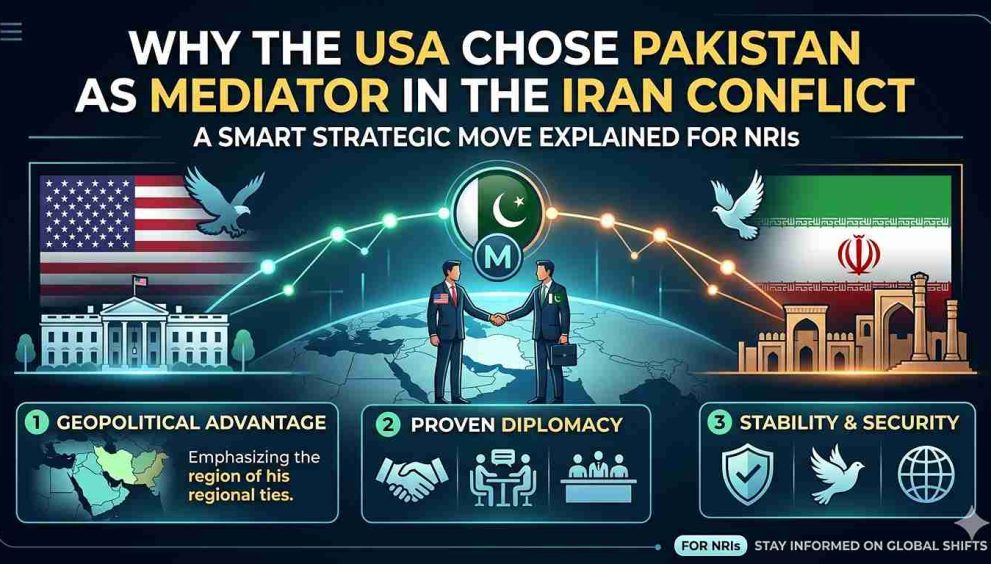
In the high-stakes U.S.-Iran war of 2026, President Donald Trump once again demonstrated why America leads the world in both military power and diplomatic brilliance. When the conflict threatened to spiral into a wider regional disaster, the United States turned to an unlikely but highly effective partner: Pakistan.
Far from a random choice, selecting Pakistan as a key mediator was a calculated masterstroke that leveraged unique relationships, geography, and backchannel access to protect American interests, keep the Strait of Hormuz open, and force Iran toward de-escalation.
The Situation: America Brings Iran to the Table
After weeks of intense U.S. and Israeli strikes on Iranian targets, President Trump issued a firm deadline: Iran must agree to reasonable terms or face overwhelming consequences. As tensions peaked, Pakistan stepped forward aggressively, passing messages between Washington and Tehran.
Thanks in large part to Pakistani facilitation, a two-week ceasefire was secured. U.S.-Iran talks are now scheduled to begin in Islamabad on April 10, 2026. This temporary pause gives America time to negotiate from a position of strength while preventing unnecessary escalation that could disrupt global energy supplies.
President Trump publicly credited conversations with Pakistani Prime Minister Shehbaz Sharif and Army Chief Field Marshal Asim Munir for helping broker the truce, subject to Iran keeping the Strait of Hormuz fully open for safe passage.
Why Did America Choose Pakistan? 6 Smart Strategic Reasons
The United States doesn’t pick mediators lightly. Here’s why Pakistan made perfect sense for American interests:
- Direct Access to Both Sides Pakistan maintains workable diplomatic and security channels with both Washington and Tehran. It shares a long 565-mile border with Iran and has deep cultural ties, including the world’s second-largest Shia Muslim population after Iran. At the same time, Pakistan has cultivated a strong personal rapport with President Trump and his team.
- Strong Personal Ties with President Trump Field Marshal Asim Munir has earned high praise from President Trump, who has repeatedly called him his “favorite Field Marshal.” Pakistan actively supported Trump’s peace efforts in the past, including nominating him for the Nobel Peace Prize after helping de-escalate India-Pakistan tensions. This personal trust opened doors that other countries simply couldn’t match.
- Balanced Regional Connections Pakistan enjoys close strategic ties with key Gulf states, especially Saudi Arabia (with whom it signed a major defense pact). It also has links to China, which has major economic stakes in regional stability. This allows Pakistan to influence multiple players without being seen as completely aligned with any single side — giving America useful leverage in backchannel talks.
- Geographic Proximity and Practical Influence As Iran’s neighbor, Pakistan understands Tehran’s mindset better than distant Gulf states like Qatar or Oman. Unlike those countries (which host major U.S. bases and came under direct Iranian threat), Pakistan has not been attacked by Iran, making it a more acceptable go-between for the Iranians.
- Pakistan’s Eagerness to Help America Islamabad actively pitched itself for the role and worked hard to build influence in the second Trump administration. For the U.S., this meant a willing partner ready to carry tough messages and host talks in Islamabad — reducing the need for risky direct contact early on.
- Protecting American and Global Interests The mediation helped secure the immediate opening of the Strait of Hormuz, protecting the flow of oil and preventing higher energy prices for Americans. It also positioned the U.S. to negotiate from strength rather than endless military escalation.
America’s Winning Approach: Strength First, Smart Diplomacy Second
Critics may call Pakistan an “unlikely” mediator, but from an American perspective, it was a pragmatic choice. President Trump’s policy of maximum pressure on Iran, combined with smart use of trusted regional partners, forced Tehran to the table.
This is classic Trump diplomacy: project overwhelming strength, then use every available channel — including Pakistan — to achieve favorable outcomes without unnecessary American casualties or economic pain.
Pakistan’s role also sends a clear message to adversaries: America has options. When traditional Middle East mediators face limitations, the U.S. can tap into broader networks to get results.
What Comes Next?
With talks set for Islamabad, the United States will push for a comprehensive deal that includes ending Iran’s nuclear weapons ambitions, curbing its ballistic missile program, and cutting support for terrorist proxies.
Pakistan’s facilitation gives America a neutral venue and a communication bridge, but make no mistake — the decisions will be driven by U.S. national security priorities under President Trump’s leadership.