

US Supreme Court Strikes Down Trump Tariffs

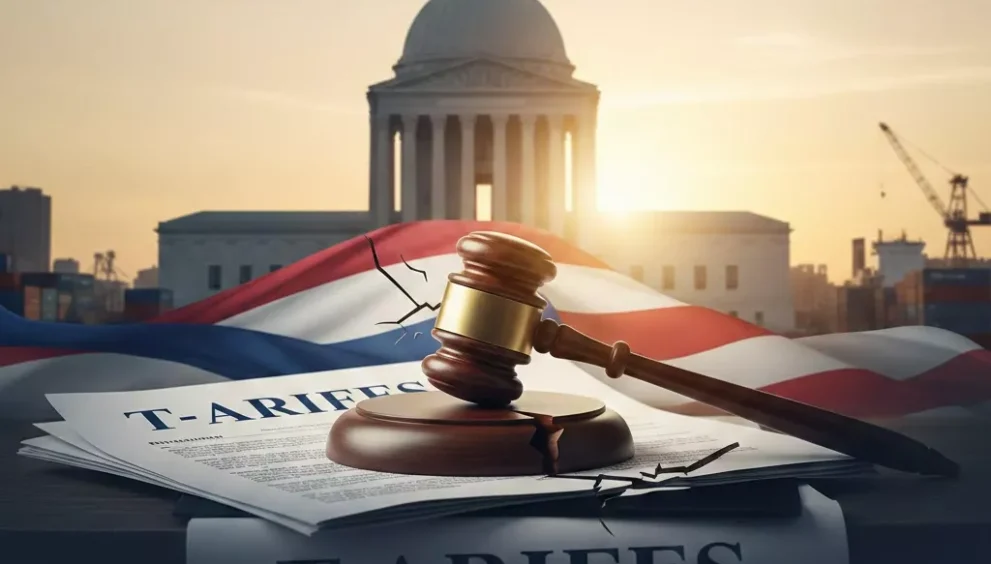
The US Supreme Court has delivered a landmark 6-3 ruling striking down President Donald Trump’s sweeping global tariffs imposed under the International Emergency Economic Powers Act (IEEPA), deeming them illegal and beyond presidential authority. The decision, issued on February 20, 2026, represents a significant setback for Trump’s trade agenda, which relied heavily on these emergency powers to impose broad import duties on goods from nearly every trading partner.
Chief Justice John Roberts authored the majority opinion, joined by Justices Sotomayor, Kagan, Jackson, Gorsuch, and Barrett. The Court held that IEEPA—intended for regulating commerce during national emergencies tied to foreign threats—does not authorize the president to impose tariffs, as the law lacks explicit reference to duties or taxation powers. Dissenting were Justices Thomas, Alito, and Kavanaugh.
This invalidates major tariffs, including those from “Liberation Day” proclamations and others targeting countries like Canada, Mexico, China, and many others (e.g., 25% on some North American imports, 10%+ broadly). Estimates suggest over $130–175 billion in collected tariffs could be subject to refunds, though the ruling remands details to lower courts (like the Court of International Trade) without mandating immediate returns. Businesses, importers, and states that challenged the tariffs hailed it as a win for limiting executive overreach and easing economic pressures on consumers and supply chains.
President Trump responded defiantly, calling the ruling “terrible” and the justices involved “fools,” “disgrace,” or similar strong terms. Within hours, he announced and signed a new temporary 10% global tariff under alternative authorities (e.g., Section 122 of the 1974 Trade Act), set to take effect soon, while pursuing other trade investigations to maintain pressure. This move aims to replace the struck-down measures but faces limits compared to the broader IEEPA approach.
Implications for Refunds, Economy, and Trade War
- Refunds: Importers may seek billions back via claims; no automatic process yet—expect prolonged litigation.
- Economy: Removal could lower costs for US businesses/consumers, reduce inflation risks from tariffs, and stabilize trade, though new 10% levies introduce fresh uncertainty and potential price hikes.
- Trade War: The ruling curbs unilateral emergency tariffs but doesn’t end Trump’s trade strategy—expect shifts to congressional or other statutory paths, possibly escalating tensions with partners like China, EU, and neighbors.
This decision underscores constitutional checks on executive power in trade policy. For full details, refer to the Supreme Court’s opinion or ongoing coverage from major outlets. Updates continue as the administration adapts and refund processes unfold.
For more USA news check:
https://clickusanews.com/news/
Latest USA breaking news, national headlines, global affairs, and trending stories.
https://clickusanews.com/sports/
USA sports news, live scores, match highlights, athlete updates, and major sporting events.
https://clickusanews.com/technology/
Technology news covering AI, gadgets, innovation, cybersecurity, and digital trends in the USA.
https://clickusanews.com/entertainment-movies-ott/
Entertainment updates including movies, OTT releases, celebrity news, and pop culture stories.
https://clickusanews.com/business/
Business and finance news with USA market updates, corporate stories, crypto, and economic insights