



Trump Hints at Claude AI Deal After White House Meet

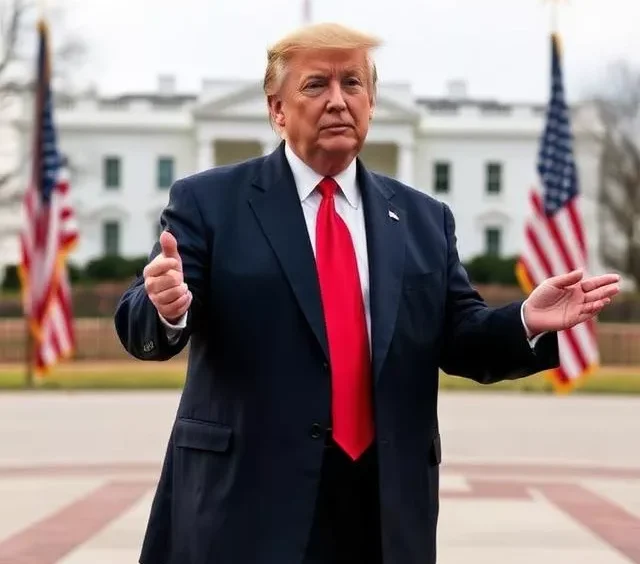
President Donald Trump signaled a major breakthrough in the tense standoff with leading AI company Anthropic, saying “it’s possible we might have a deal” regarding the use of its powerful Claude AI models by the U.S. government.
The optimistic comment came Tuesday while Trump was in Arizona, just days after a “productive” White House meeting with Anthropic executives. The development marks a dramatic shift from February 2026, when Trump ordered all federal agencies to immediately stop using Anthropic’s technology.
At Click USA News, we bring you the latest AI news and policy developments shaping America’s technological edge. Here’s everything you need to know about this rapidly evolving story.
Trump’s Key Comment: “It’s Possible We Might Have a Deal”
Speaking to reporters in Phoenix on April 21, 2026, President Trump responded to questions about the recent White House meeting with Anthropic by saying:
“It’s possible we might have a deal.”
This cautious but positive statement suggests negotiations are progressing and could lead to the reinstatement of Anthropic’s Claude AI models — including the newly released Claude Opus 4.7 — for government and military use.
What Sparked the Original Conflict?
The dispute began in February 2026 during negotiations between Anthropic and the Pentagon over military applications of Claude AI.
The core issues were:
- Anthropic’s refusal to remove certain safety guardrails on its models, particularly regarding autonomous weapons and surveillance.
- The Pentagon’s demand for unrestricted “all lawful uses” access.
- Trump’s strong reaction, labeling Anthropic as “radical left” and directing federal agencies to phase out the company’s technology within six months.
Following the order, the Pentagon designated Anthropic a potential “supply chain risk,” severely limiting its ability to work with U.S. government contractors.
In the immediate aftermath, rival OpenAI quickly secured a major Pentagon deal, positioning itself as the go-to AI provider for classified networks.
Today’s White House Meeting Marks Turning Point
Sources close to the discussions described the April 2026 White House meeting as “productive.” Topics reportedly included:
- Finding common ground on safety guardrails versus national security needs
- Potential tiered access to powerful models like Claude Opus 4.7 and the restricted Claude Mythos Preview
- Strengthening American AI leadership against global competitors, especially China
Trump’s “we might have a deal” remark indicates meaningful progress after months of public friction.
What a Potential Deal Could Include
If finalized, the agreement may allow:
- Controlled government and military access to Claude AI models with negotiated safeguards
- Use of Claude Opus 4.7 (which recently scored 87.6% on SWE-bench for coding excellence) for defense, intelligence, and civilian agency tasks
- Special provisions for Anthropic’s advanced cybersecurity capabilities in the restricted Mythos model
- Clear framework to resolve the “supply chain risk” designation
Such a deal would be a significant win for Anthropic, which has raised tens of billions in funding and built its reputation on “constitutional AI” principles.
Why This Matters for America’s AI Leadership
This potential resolution carries major implications:
- For U.S. Government: Restoring access to one of the world’s top AI models strengthens America’s technological capabilities in coding, reasoning, vision, and cybersecurity.
- For Anthropic: Reinstating federal contracts would boost revenue and validate its safety-first approach while keeping it competitive with OpenAI.
- For American Tech Edge: A balanced deal could encourage multiple U.S. AI companies to support national security needs rather than forcing a single-provider dependency.
- National Security: With frontier models becoming extremely powerful, any agreement must carefully balance innovation with responsible use.
The story also highlights how quickly AI policy can shift under the current administration and the high stakes involved in governing powerful AI models like Claude.
Comparison with OpenAI and Other Players
While Anthropic faced restrictions, OpenAI moved fast to lock in Pentagon contracts. A successful Trump-Anthropic deal could create a healthier competitive environment among America’s leading AI labs, including Anthropic, OpenAI, and Google’s Gemini team.
Claude Opus 4.7, released just last week, has already demonstrated leadership in software engineering benchmarks, making it highly valuable for both commercial and government applications.
What’s Next?
No final agreement has been signed yet. Key questions still remain:
- Will Anthropic adjust certain guardrails for military use?
- How quickly could federal agencies regain access to Claude AI?
- Will this lead to broader public-private AI partnerships?
Click USA News will continue monitoring developments closely as negotiations advance in the coming weeks.
The Bigger Picture for U.S. AI Policy
This episode underscores the complex relationship between frontier AI companies and the U.S. government in 2026. As models grow more capable — from everyday coding assistants to advanced cybersecurity tools — finding the right balance between safety, innovation, and national security has never been more critical.
What do you think? Should the U.S. government work with multiple AI companies like Anthropic and OpenAI, or maintain stricter control over safety features? Have you used Claude AI in your work? Share your opinions in the comments below.
Stay updated with the latest AI news, U.S. politics, tech policy, and breaking developments. Explore more on Click USA News:
Subscribe to the Click USA News newsletter for daily briefings on the stories that matter most to Americans.