


US-Iran Ceasefire at Risk After Pakistan Talks Fail

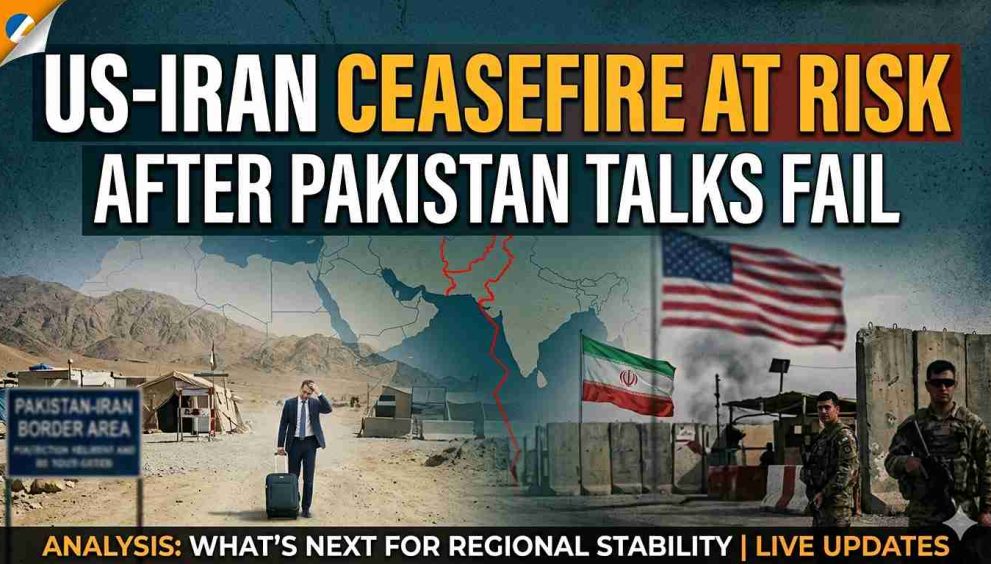
The already fragile two-week ceasefire between the United States and Iran is now hanging by a thread. High-stakes peace negotiations in Islamabad, Pakistan, ended without any agreement after more than 21 hours of intense talks, prompting President Donald Trump to immediately double down with a bold military move.
On Sunday, April 12, 2026, Vice President JD Vance led the U.S. delegation in face-to-face discussions with Iranian officials. The talks collapsed with no deal reached on key issues, including Iran’s nuclear program and the reopening of the critical Strait of Hormuz.
Hours later, President Trump announced that the U.S. Navy would begin blockading ships entering or leaving Iranian ports in the Strait of Hormuz, effective immediately on Monday, April 13. “The United States Navy, the Finest in the World, will begin the process of BLOCKADING any and all Ships trying to enter, or leave, the Strait of Hormuz,” Trump stated.
U.S. Central Command confirmed the operation is now in effect, targeting vessels linked to Iranian ports while allowing non-Iranian traffic to continue where possible. Trump also issued a stern warning: any Iranian “fast attack ships” approaching the blockade will be “immediately eliminated.”
Why the Ceasefire Is Now in Serious Jeopardy
The current two-week ceasefire, which began around April 8, 2026, was meant to create space for diplomacy and ensure the safe reopening of the Strait of Hormuz. However, the failure of the Islamabad talks has cast major doubt on whether the truce will hold beyond its April 22 expiration.
Key sticking points included:
- Iran’s refusal to fully accept U.S. demands to curb its nuclear program
- Disagreements over freedom of navigation in the Strait of Hormuz
- Broader regional issues involving allies like Hezbollah in Lebanon
Vice President Vance stated clearly that “Iran chose not to accept our terms,” adding that the lack of agreement was “bad news for Iran much more than it’s bad news for the U.S.”
Iranian officials responded by calling the U.S. blockade “illegal” and an “act of piracy,” warning of strong retaliation. Tehran has signaled it could further restrict shipping in the region if its ports are threatened.
Impact on Oil Prices and American Families
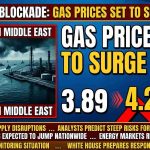
The escalation has already sent global oil markets into turmoil. Brent crude surged past $100–$103 per barrel following the blockade announcement, with analysts warning of further spikes if the situation worsens.
For everyday Americans, this means:
- Higher gas prices at the pump, with the national average already climbing in recent weeks
- Increased costs for diesel, heating oil, and consumer goods due to higher shipping expenses
- Potential inflationary pressure during the critical spring and summer driving season
Energy experts say a prolonged standoff could push regular unleaded gasoline toward $4.50 or higher in many parts of the country if the ceasefire fully collapses.
Trump’s Strategy: Maximum Pressure to Force a Deal
President Trump has made it clear he believes the naval blockade will increase Iran’s “desperation for a deal.” White House officials say the move is designed to strangle Iran’s oil export revenues while protecting freedom of navigation for the rest of the world.
Despite the tough stance, Trump has left the door open for renewed negotiations, claiming Iran still wants to reach an agreement. Pakistan, which mediated the first round of talks, has expressed willingness to host a second round before the ceasefire expires.
What Happens Next?
The coming days are critical. The fragile ceasefire remains in place for now, but the active U.S. naval blockade has raised the risk of miscalculation or direct confrontation in the Persian Gulf.
U.S. lawmakers and military officials are closely monitoring the situation, with concerns about potential wider regional involvement.
ClickUSANews.com will continue to provide real-time updates on the Iran war, U.S.-Iran ceasefire developments, Trump’s naval blockade strategy, and how these events affect gas prices and American national security.
Stay informed — bookmark this page and check back often as this fast-moving story develops.