




Smart Cities 2026: How AI, IoT & Green Tech Are Transforming

Smart Cities 2026: How AI, IoT & Green Tech Are Transforming
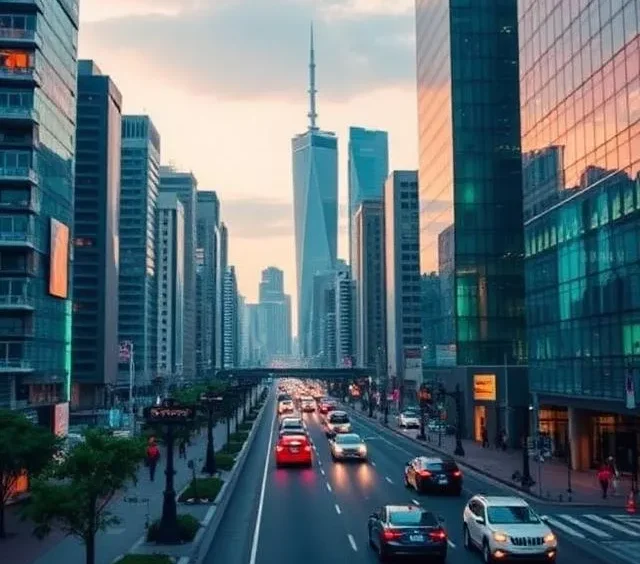
America’s cities are about to get a whole lot smarter. As we approach 2026, artificial intelligence, the Internet of Things, and innovative green technologies are teaming up to modernize urban life from New York to Los Angeles, Miami to Seattle. With more than 80% of Americans already living in urban and suburban areas—and that number only growing—these upgrades couldn’t come at a better time. They promise to ease traffic headaches, slash energy bills, clean up the air, and make communities more resilient against storms, heat waves, and wildfires.
At ClickUSANews.com, we bring you the stories that matter to everyday Americans—politics, economy, health, and the tech changing our daily lives. Today, we’re looking ahead to smart cities 2026 and how AI, IoT, and green tech will tackle some of the biggest challenges facing U.S. cities: crumbling infrastructure, rising costs, extreme weather, and the push to go greener.
The Three Technologies Driving America’s Urban Upgrade
1. Artificial Intelligence: The Smart Brain Behind the Scenes
By 2026, AI will be quietly running much of what makes a city work. It will predict traffic jams before they happen, spot potholes or leaking pipes early, and even forecast power outages during storms. Cities are already building “digital twins”—virtual copies of real neighborhoods—to test new ideas safely and cheaply.
The real win for Americans: fewer surprises, lower taxes wasted on emergency fixes, and faster responses when things do go wrong.
2. Internet of Things: Sensors Keeping Watch 24/7
Imagine millions of tiny sensors embedded in streets, streetlights, water pipes, and buildings across the country. By 2026, that’s exactly what many U.S. cities will have. These IoT devices will send live data on everything from air quality to parking availability.
Practical perks include streetlights that only brighten when someone’s nearby (huge energy savings), parking apps that guide you straight to an open spot, and early warnings for floods or water main breaks.
3. Green Technology: Cleaner, Cheaper, Greener Cities
Solar panels on rooftops, wind power feeding the grid, electric vehicle charging everywhere, and green roofs that cool buildings naturally—these aren’t just feel-good ideas anymore. AI-controlled smart grids will balance all that renewable energy, while urban tree programs and rain gardens help manage stormwater and beat the heat.
From California’s aggressive climate goals to Texas cities cutting utility costs, green tech is creating jobs and helping families breathe easier.
Five Big Changes Coming to American Cities in 2026
1. Traffic That Actually Moves
AI traffic lights, connected cars, and better public transit apps will cut commute times and frustration in clogged metros like Atlanta, Dallas, and Phoenix.
2. More Reliable, Affordable Power
Smart grids will predict when you’ll need the most electricity and shift usage to cheaper, cleaner times—helping keep your monthly bill down and the lights on during extreme weather.
3. Cleaner Air and Water
Sensors will track pollution and water quality in real time, triggering quick fixes and alerts so neighborhoods stay healthier.
4. Smarter Waste and Recycling
Connected trash bins and optimized pickup routes mean fewer trucks on the road, lower costs, and higher recycling rates.
5. City Services That Work for You
Easy-to-use apps will let you report issues, track buses in real time, or get personalized alerts about everything from road closures to cooling centers during heat waves.
U.S. Cities Leading the Way in 2026
New York City Expanding its use of sensors and AI to manage traffic, waste, and energy in the nation’s biggest metropolis.
Los Angeles Pushing hard on EV infrastructure, smart traffic systems, and wildfire-resilient power grids.
Austin & Columbus Testing self-driving shuttles and connected vehicle corridors that could become models for mid-sized cities nationwide.
Miami & South Florida Deploying flood sensors, elevated green spaces, and AI forecasting to combat rising seas and stronger storms.
Other hotspots include Chicago’s open-data sensor network, San Francisco’s neighborhood microgrids, Denver’s sustainable mobility push, and Phoenix tackling extreme heat with cool roofs and smart shading.
The Challenges Americans Care About
Retrofitting older cities isn’t cheap, and concerns about data privacy, hacking risks, and making sure lower-income neighborhoods aren’t left behind are very real. But with billions flowing from the Bipartisan Infrastructure Law and private investment, plus new federal guidelines on privacy and equity, 2026 looks like the year many of these hurdles start getting cleared.
What This Means for Everyday Americans
Smart cities in 2026 will deliver the things families actually notice: shorter commutes, lower energy bills, safer streets, and better protection from extreme weather. It’s not just about flashy tech—it’s about making life in America’s cities more affordable, comfortable, and secure.
This wave of innovation is also creating good-paying jobs in tech, construction, and green energy right here at home


