


Israel Bombs Beirut as Iran Ceasefire Collapses

By Click USA News Investigative Team | April 10, 2026
Washington D.C. / Beirut – Just 48 hours after President Donald Trump announced a two-week U.S.-Iran ceasefire and declared “total and complete victory,” Israeli forces launched one of the deadliest waves of airstrikes on Lebanon in months — killing at least 182 to 250+ people in a single day and hitting residential and commercial areas in Beirut and southern Lebanon.
The problem? The fragile ceasefire between the United States and Iran does not cover Lebanon. Iran is already calling the continued Israeli operations a violation of the truce, while the White House and Israel insist the deal only applies to direct strikes on Iranian territory.
Click USA News investigation reveals this loophole could quickly unravel the entire agreement, pull U.S. forces deeper into conflict, spike oil prices again, and cost American taxpayers and troops even more in 2026.
The Ceasefire Loophole Everyone Saw Coming
Under the terms announced on April 8, 2026:
- The U.S. and Israel agreed to halt direct attacks on Iran for two weeks.
- Iran committed to the “complete, immediate and safe opening” of the Strait of Hormuz.
Nowhere in the public deal does it mention Hezbollah or operations in Lebanon. Israeli Prime Minister Benjamin Netanyahu made this crystal clear: “There is no ceasefire in Lebanon. We are continuing to strike Hezbollah with force.”
Iran and the Pakistani mediators who helped broker the deal disagree — they argue the spirit of the truce should include a broader regional pause. Tehran has already responded by slowing Hormuz reopenings and issuing fresh warnings.
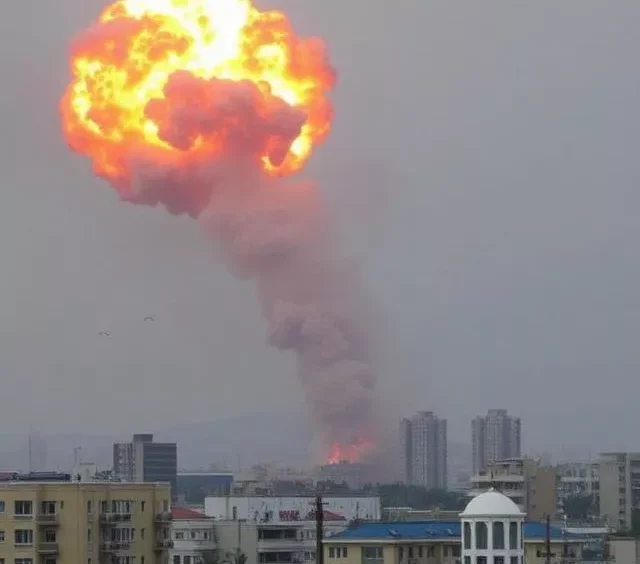
On April 9, Israel carried out over 100 strikes in just 10 minutes across Beirut’s southern suburbs, Tyre, Nabatieh, Sidon, and the Bekaa Valley. Lebanese health officials report the highest single-day death toll since the latest escalation began. Iran calls it a direct challenge to the U.S.-Iran agreement.
Why This Matters to Every American
This isn’t just another Middle East skirmish. Lebanon is the flashpoint that could drag the United States back into a wider war:
- U.S. Troops at Risk: American forces remain deployed in the region supporting Israel and protecting shipping. Renewed escalation between Israel and Hezbollah — backed by Iran — increases the chance of direct attacks on U.S. assets, as seen earlier in the conflict.
- Gas Prices Could Spike Again: Even with the temporary ceasefire, shipping through the Strait of Hormuz is still far below normal (only a handful of vessels per day instead of 100+). Fresh instability in Lebanon could prompt Iran to restrict traffic further, sending oil prices — and your pump costs — soaring once more.
- Taxpayer Bill: The six-week air campaign already strained U.S. munitions stockpiles. A wider war involving Lebanon would mean more spending, more deployments, and higher long-term costs for American families.
- Veterans and Military Families: Service members who thought the ceasefire might bring some relief now face the real possibility of extended missions or new combat operations.
Analysts warn that if Iran declares the U.S.-Israel actions a breach, the two-week clock could collapse early — before Vice President JD Vance even sits down for talks in Islamabad this weekend.
The Investigative Truth the Spin Hides
Both Washington and Tehran claimed victory after the April 8 announcement. Trump called it a decisive win that met all U.S. objectives. Iran portrayed it as standing firm against aggression.
Yet the fine print exposes the fragility:
- Israel continues high-intensity operations against Hezbollah, which Iran views as a red line.
- Shipping data shows the Strait of Hormuz remains heavily restricted under Iranian oversight.
- Core issues — Iran’s nuclear capabilities, ballistic missiles, and proxy network — remain unresolved.
Netanyahu has signaled Israel is open to peace talks with Lebanon but will not stop targeting Hezbollah in the meantime. Iran says time is running out and demands the ceasefire must include its allies.
This mismatch creates the perfect conditions for miscalculation. One major incident — a Hezbollah rocket barrage, an Iranian-backed attack on U.S. forces, or another round of heavy Israeli strikes — could shatter the pause and force America to choose sides in a rapidly widening conflict.
What Happens Next?
Vice President JD Vance is set to lead U.S. negotiations in Islamabad starting this weekend. The agenda will likely include trying to expand the ceasefire to cover Lebanon and secure verifiable Hormuz reopening.
But with Israeli strikes continuing and Iranian patience wearing thin, the odds of the two-week truce holding long enough for real diplomacy look increasingly slim.
Click USA News will continue monitoring:
- Real-time developments from Beirut and the Strait of Hormuz
- Statements from the White House, Pentagon, and Israeli officials
- Impact on U.S. gas prices and military readiness
Americans deserve more than victory declarations. They need straight answers about the risks to our troops, our economy, and our security.
The ceasefire bought two weeks of breathing room — but Lebanon could end the quiet before it even begins.
This is a developing story. The next 48–72 hours may decide whether America exits this conflict or gets pulled deeper in.
Based on official statements from the White House, Israeli government, Iranian officials, Lebanese health ministry reports, shipping tracker data, and on-the-ground reporting as of April 10, 2026.