


Donald Trump Warns Iran of Massive Strike Deadline

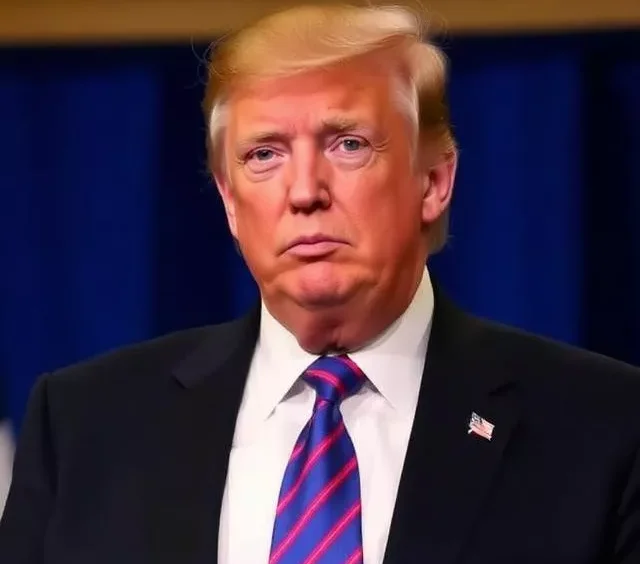
Washington D.C., April 7, 2026 — President Donald Trump has delivered one of his strongest warnings yet to Iran, threatening to destroy the country’s bridges, power plants, and critical infrastructure if Tehran fails to reach a deal and reopen the Strait of Hormuz by 8:00 p.m. Eastern Time on Tuesday.
In a high-stakes White House press conference on Monday, President Trump stated clearly: “The entire country can be taken out in one night, and that night might be tomorrow night.” He added that the U.S. military has a detailed plan to decimate every bridge in Iran by midnight and leave every power plant “burning, exploding and never to be used again.”
Trump emphasized that he hopes such action will not be necessary but warned Iran is running out of time. “We’re giving them till tomorrow 8:00 Eastern time. And after that, they’re going to have no bridges. They’re going to have no power plants… Stone ages,” he said.
Background: The Strait of Hormuz and Ongoing Conflict
The warning comes amid an escalating six-week conflict involving the United States, Israel, and Iran. The Strait of Hormuz — a narrow waterway through which roughly 20% of the world’s oil supply passes — has been largely disrupted, sending global oil prices surging above $100 per barrel in recent days.
President Trump has repeatedly demanded that Iran reopen the strategic chokepoint to international shipping. He has also linked the crisis to broader U.S. objectives, including preventing Iran from developing a nuclear weapon and protecting American interests in the region.
On Easter Sunday, Trump posted an expletive-laden message on Truth Social: “Tuesday will be Power Plant Day, and Bridge Day, all wrapped up in one… Open the F***in’ Strait, you crazy bastards, or you’ll be living in Hell – JUST WATCH!”
Trump’s Message to the Iranian People
The President claimed the U.S. has intercepts showing many Iranians are “willing to suffer” for freedom and are even asking for continued pressure on the regime. He suggested the Iranian people may rise up against their leadership if a strong deal is not reached.
Trump also revealed new details about a daring U.S. military operation that successfully rescued an American airman whose F-15 was shot down over Iran, further highlighting the intensity of ongoing operations.
Iran’s Response and International Concerns
Iran has so far dismissed U.S. ceasefire proposals as unacceptable and warned of strong retaliation if American forces target civilian infrastructure. Some military law experts have raised concerns that striking power plants and bridges could have severe humanitarian consequences and potentially violate international law.
Tehran remains defiant, with officials stating that “reckless moves” by the U.S. could set the entire region on fire.
What’s at Stake for America and the World
- Energy Markets: Disruption in the Strait of Hormuz has already caused volatility in global oil prices. A prolonged closure could lead to even sharper spikes.
- U.S. Military Posture: President Trump has signaled a desire to wind down operations once core objectives — particularly related to Iran’s nuclear program — are met, while stressing that America does not want a long-term war.
- Global Implications: Allies and adversaries are closely watching how this high-stakes confrontation unfolds, with potential ripple effects on shipping, inflation, and regional stability.
President Trump has repeatedly said he prefers a deal over further conflict but made it clear the United States will use overwhelming military power if necessary. “I hope I don’t have to do it,” he noted, while leaving no doubt about American resolve.
Live Updates and What to Expect
As the Tuesday 8 PM ET deadline approaches, all eyes are on Washington and Tehran. Markets are reacting nervously, and diplomatic channels are reportedly still active behind the scenes.
ClickUSA News will continue to monitor developments closely. This is a fast-moving story with major implications for U.S. foreign policy, energy security, and global stability.