



Donald Trump Sets Deadline as US–Israel Strike Iran

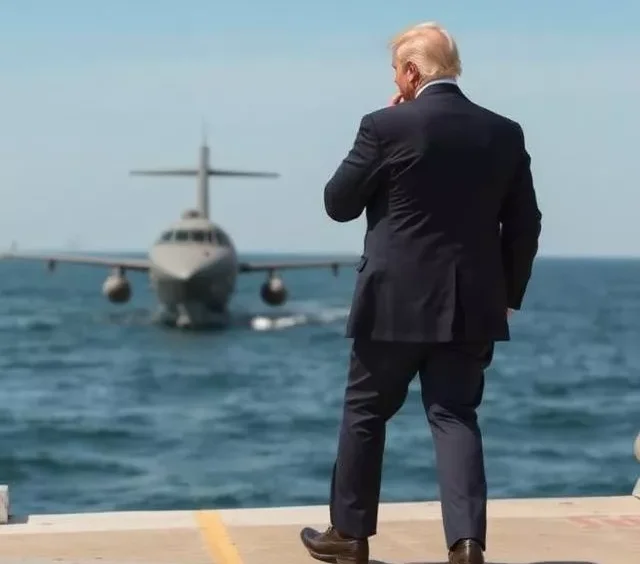
Tehran/Washington – April 7, 2026 — US and Israeli forces have intensified airstrikes across Iran, targeting key academic and petrochemical infrastructure, as President Donald Trump’s deadline for Iran to reopen the Strait of Hormuz approaches Tuesday evening.
Defense Secretary Pete Hegseth described Monday’s barrage as one of the largest volumes of strikes since Operation Epic Fury began on February 28, 2026, with even heavier operations potentially planned if Iran fails to comply with the 8 p.m. ET deadline.
Recent attacks hit Sharif University of Technology in Tehran — one of Iran’s premier scientific institutions often compared to MIT — damaging research buildings and a nearby data center linked to artificial intelligence and missile guidance systems. Strikes also targeted the South Pars gas field in Asaluyeh, the world’s largest natural gas field, which accounts for about 50% of Iran’s petrochemical production. Israeli Defense Minister Israel Katz confirmed the strike, calling it a major blow to facilities allegedly tied to Iran’s missile program.
In the Mahshahr Special Economic Zone (Khuzestan province), attacks on petrochemical facilities killed at least five people and injured around 170 others, with reports of chemical pollution affecting local air quality. Iranian media reported additional strikes in multiple provinces, causing power outages, fuel shortages, and damage to industrial sites.
Iranian officials say at least 25–49 people were killed in Monday’s strikes alone. Humanitarian monitors estimate the overall civilian death toll in Iran since the conflict started has exceeded 1,900, though Tehran has not released updated figures for several days. At least 30 universities have reportedly been impacted throughout the war.
Iranian Retaliation and Regional Fallout
Iran has responded with increased missile and drone attacks. On Monday, Iranian forces launched multiple barrages toward Israel, including strikes that hit Haifa and caused civilian casualties. The Islamic Revolutionary Guard Corps (IRGC) also claimed responsibility for targeting energy sites in Gulf countries, including Kuwait and Bahrain. Iran reported the loss of senior IRGC intelligence official Maj. Gen. Seyed Majid Khademi in an Israeli strike.
Displacement continues across the region, with over 1.1 million people affected in Lebanon due to related hostilities. Attacks on Gulf energy infrastructure have added to concerns over regional stability.
Diplomatic Deadlock Persists
A proposed 45-day ceasefire framework, mediated by countries including Pakistan, has stalled. Iran rejected the plan, insisting on a permanent end to the war, the lifting of sanctions, reconstruction assistance, safe passage guarantees in the Strait of Hormuz, and a broader regional de-escalation that includes Lebanon.
President Trump described elements of Iran’s counter-proposal as “significant” but “not good enough” to avert the deadline. He reiterated that failure to reopen the vital waterway — through which roughly one-fifth of global oil and gas passes — would trigger severe consequences.
Trump has warned that Tuesday could become “Power Plant Day and Bridge Day,” threatening to destroy Iran’s power plants and bridges in what he described as a potential “one night” operation capable of taking out much of the country’s infrastructure. He stated he is “not at all” concerned about accusations that such actions could amount to war crimes.
Military law experts have warned that systematic targeting of civilian infrastructure, including power plants, bridges, and desalination facilities, risks violating international humanitarian law due to the severe impact on civilian access to electricity, water, healthcare, and other essentials.
Humanitarian and Economic Concerns
Strikes on universities, hospitals, and industrial sites have raised alarms among rights groups about the growing civilian toll and environmental damage from chemical leaks and fires at petrochemical plants. Global oil prices remain volatile amid uncertainty over the Strait of Hormuz, which has been largely closed to normal traffic since the war began.
As the Tuesday deadline nears, Pentagon officials including Hegseth and Joint Chiefs Chairman Gen. Dan Caine are expected to provide further briefings. Diplomats continue last-ditch efforts, but prospects for an immediate breakthrough appear limited.
The 2026 Iran War, now in its sixth week, continues to escalate with no clear resolution in sight, raising fears of wider regional conflict and significant global economic repercussions.
This report draws from multiple verified international sources including Al Jazeera, PBS, Reuters, AP, BBC, and The New York Times as of April 7, 2026. Developments are fluid and subject to rapid change.