



USA Leaving NATO: Impact on Americans Explained

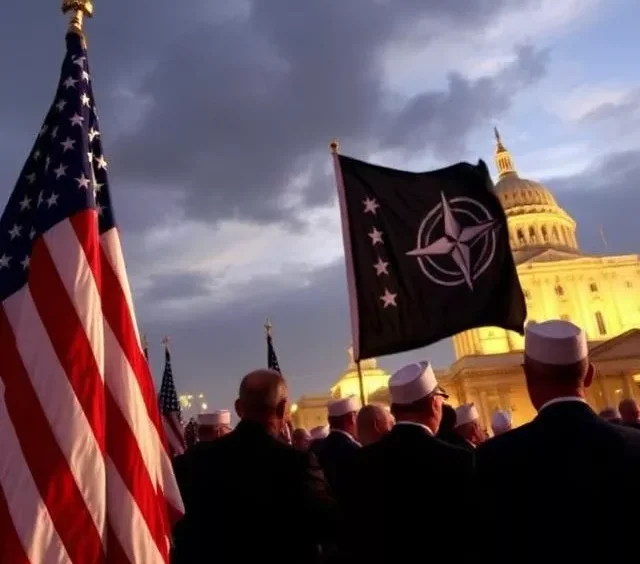
USA Leaving NATO: Impact on Americans Explained
What Happens If America Leaves NATO? Economic, Military & Everyday Effects on US Taxpayers, Jobs & Security
In recent weeks, President Donald Trump has strongly signaled that withdrawing the United States from NATO is now “beyond reconsideration,” especially after European allies showed limited support during the US-led actions against Iran. For many Americans tired of footing the bill for global defense while allies lag behind, this raises a big question: Would quitting NATO actually benefit the USA and its citizens, or would it hurt American interests?
Here’s a clear, balanced breakdown from an American-first viewpoint on the potential impacts if the US exits the North Atlantic Treaty Organization.
1. Huge Savings for American Taxpayers – The Biggest Win?
The US currently accounts for roughly 60% of total NATO defense spending, contributing around $980 billion in 2025 (about 3.2% of US GDP), while European allies and Canada have ramped up but still rely heavily on American power.
- Direct savings: Bringing troops home from European bases could reduce long-term overseas deployment costs (estimated in the billions annually for bases, logistics, and operations).
- Burden-sharing frustration ends: Many Americans feel Europe has treated the US as a free security provider for decades. Exiting could force Europe to handle its own defense fully, freeing up US funds for domestic priorities like border security, infrastructure, or tax relief.
However, the actual “NATO common budget” is small — the US share is only about $750–770 million per year for headquarters and joint programs. The real cost comes from America’s overall military posture built around global alliances. Savings would be real but not as massive as some headlines suggest.
2. Impact on US Military Power and Global Influence
Pros for America:
- Focus shifts to America First priorities: Stronger emphasis on Indo-Pacific threats (China), homeland defense, and naval power projection without being tied to European commitments.
- Reduced risk of automatic entanglement in European conflicts under Article 5.
- Potential downsizing of certain overseas forces, allowing reinvestment in next-gen US technology and troop readiness at home.
Cons and Risks:
- Loss of strategic bases in Europe, which support logistics, intelligence sharing, and rapid response — this could weaken America’s ability to project power globally without expensive alternatives.
- European allies might turn more toward independent defense (or even closer ties with China/Russia in some scenarios), reducing US influence.
- Long-term, America could face a more unstable world where threats (like a resurgent Russia or aggressive actors) reach closer to US shores or disrupt trade routes.
Many military analysts note that while the US has unmatched carriers and nuclear capabilities, forward bases and allied interoperability make operations cheaper and more effective. Pulling out might mean higher costs elsewhere to maintain the same global reach.
3. Economic Consequences for American Workers and Businesses
This is where the impact hits everyday Americans hardest:
- Defense Industry & Jobs: The US arms industry sells billions to European NATO countries. A fractured alliance could see Europe accelerate its own production (e.g., French, German, or joint EU projects), leading to lost export revenue and potential job cuts in states like California, Texas, Connecticut, and the Midwest that rely on defense manufacturing.
- Trade Ripple Effects: Studies (including older RAND analysis) suggest that weakening security ties can reduce bilateral trade. A drop in transatlantic trust might hurt US exports to Europe, affecting farmers, manufacturers, and service sectors. Transatlantic trade is worth over $1.3 trillion annually.
- Broader Economy: Some estimates warn of potential GDP losses in the hundreds of billions if alliances erode and global stability declines. On the flip side, supporters of withdrawal argue that money saved could be redirected into the US economy, boosting growth through lower taxes or domestic investment.
American consumers could see mixed effects — possibly lower defense-related taxes long-term, but higher costs if global instability drives up energy prices, supply chain disruptions, or inflation.
4. National Security for Everyday Americans
- Short-term: Likely minimal direct change. The US homeland remains protected by its own military might.
- Long-term Risks: A weaker or collapsed NATO could embolden adversaries, leading to new conflicts that indirectly affect Americans through higher oil prices, cyber threats, terrorism risks, or even new migration waves.
- Opportunity: A US exit might encourage a more realistic global order where America negotiates from strength as an independent superpower rather than subsidizing others.
Polls have shown divided American opinion — many Republicans support pressuring allies more, while others value the alliance for keeping conflicts far from US soil since WWII.
5. Legal and Practical Hurdles to Quitting NATO
Withdrawing requires one year’s notice under NATO’s Article 13. However, US law (from the 2024 NDAA) currently requires Congressional approval for any withdrawal. This could lead to political battles in Washington. Even without formal exit, reduced US commitment (fewer exercises, restricted command roles) could effectively weaken the alliance.
Balanced American View: Opportunity or Risk?
From an America First perspective, quitting NATO could finally end unfair burden-sharing and let the US focus resources on its own borders, economy, and priority threats like China. It might force Europe to grow up militarily and create a more equitable partnership — or none at all.
At the same time, abrupt withdrawal carries real risks: lost markets for US weapons, reduced global influence, potential economic hits to defense jobs, and a more dangerous world that could eventually raise costs for American families through instability.
The debate is not simple. As Trump pushes for allies to do more (or face consequences), many Americans ask: Why should US taxpayers continue subsidizing European defense when our own southern border and domestic needs demand attention?
What do you think? Should the USA fully exit NATO, renegotiate a better deal, or maintain the status quo with stronger burden-sharing?
Stay informed with ClickUSANews.com — your source for straightforward, America-centric analysis on foreign policy, economy, and national security.
Tags: US Exit NATO Impact, If America Leaves NATO, Trump NATO Withdrawal 2026, Effects on US Economy and Jobs, American Taxpayers NATO Costs, NATO Article 5 Consequences, US Military Strategy America First
Note: This analysis is based on current trade estimates, defense spending data (2025 figures), expert discussions, and ongoing political developments as of April 2026. Actual outcomes would depend on how any withdrawal is managed.
Jai Hind! Wait — God Bless America! 
For more on America First policies, defense spending, and Trump administration updates, bookmark clickusanews
Hacks Season 5 (Max – USA & available in Canada/UK/Australia via respective platforms) – April 9 The Emmy-winning comedy returns for its final season with sharp wit and Hollywood drama.
Quick Platform-Wise Guide for NRIs
- Netflix (Available everywhere): XO, Kitty S3, Maamla Legal Hai S2, Bloodhounds S2, Vadh 2, Happy Patel (if still fresh)
- Hulu (USA + select countries via bundle): Pizza Movie (biggest new comedy), The Testaments
- Amazon Prime Video (Available globally): Maa Ka Sum, The Boys Season 5 (final season – don’t miss!)
- SonyLIV (Strong in UAE, India & accessible via VPN elsewhere): Sitaare Zameen Par
- Disney+ / Hotstar (India + some international bundles): Family content and possible crossovers
Tips for NRIs Across Countries
- USA & Canada: Hulu and Max are easily accessible. Use your existing subscriptions.
- UK & Australia: Check Prime Video, Netflix, and Disney+ for the same titles (some may have slight regional delays).
- UAE: Prime Video, Netflix, and SonyLIV usually have strong Indian content libraries.
- Many platforms allow downloading episodes for offline viewing — perfect for long flights or commutes.
Top Recommendations for Indian Families This Weekend:
- Maamla Legal Hai S2 or Maa Ka Sum – Light family entertainment
- XO, Kitty S3 – Fun for youngsters and teens
- Save The Boys S5 for April 8 if you prefer intense adult content
Which OTT release are you most excited about this week? Pizza Movie, The Boys final season, or any Indian show? Drop your picks in the comments below — we’d love to hear what the NRI community is binge-watching!
Stay tuned to NRIGlobe for weekly OTT guides, Bollywood & Hollywood updates, and more entertainment content tailored for the global Indian diaspora.
For more USA news check:
https://clickusanews.com/news/
Latest USA breaking news, national headlines, global affairs, and trending stories.
https://clickusanews.com/sports/
USA sports news, live scores, match highlights, athlete updates, and major sporting events.
https://clickusanews.com/technology/
Technology news covering AI, gadgets, innovation, cybersecurity, and digital trends in the USA.
https://clickusanews.com/entertainment-movies-ott/
Entertainment updates including movies, OTT releases, celebrity news, and pop culture stories.
https://clickusanews.com/business/
Business and finance news with USA market updates, corporate stories, crypto, and economic insights